 EN
EN



Why Burner Maintenance Determines Machine Life
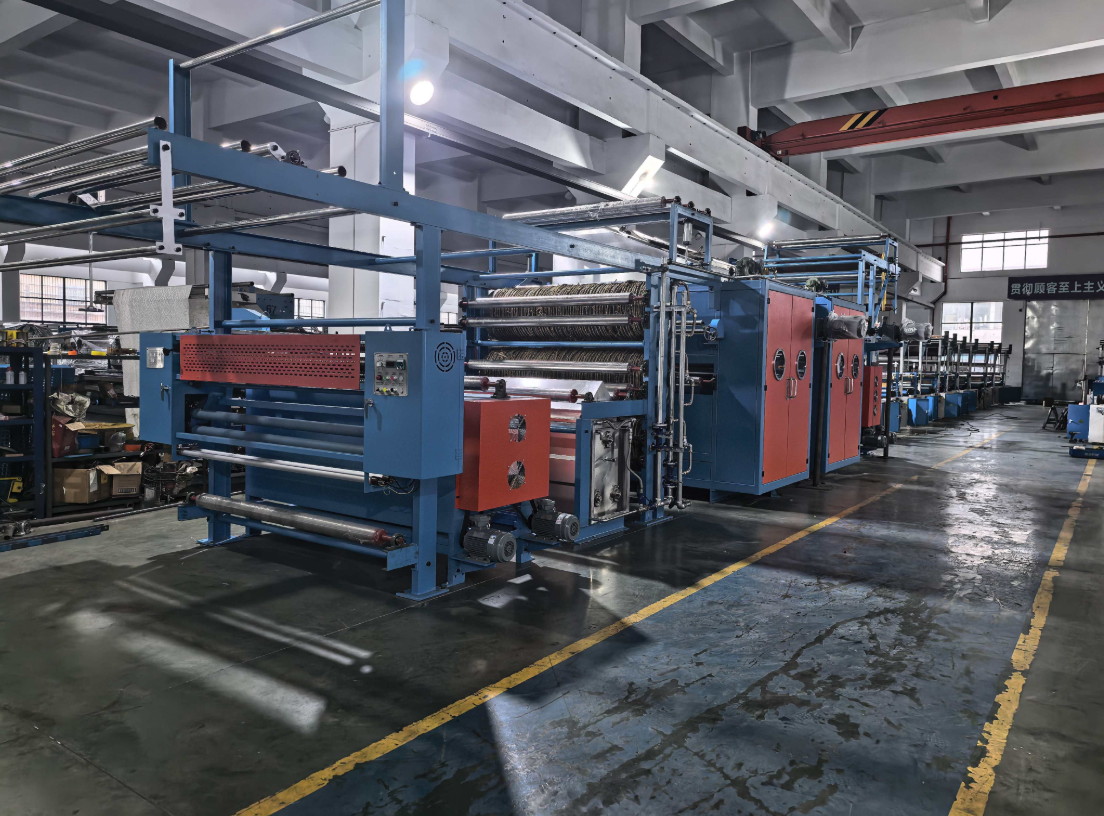
The burner assembly is the heart of any textile singeing machine. It runs hot, often close to fabric, and it collects lint, finish residues, and airborne fiber particles constantly. When those deposits build up on the burner nozzles, the flame pattern changes. Some spots burn hotter, others go weak, and the fabric gets an uneven singe. That forces operators to slow the line or increase gas pressure, which puts extra stress on the whole system.
A mill in Jiangsu documented a case where a singeing machine began producing patchy results on cotton twill. The immediate reaction was to raise the flame intensity, but the real problem was a row of partially clogged burner ports. After a thorough cleaning with the correct wire brushes and compressed air, the flame returned to a steady blue color and the gas consumption dropped noticeably. Regular burner cleaning is not just about quality. It prevents the machine from being pushed harder than it was designed to run.
The Brush System Needs More Than a Quick Look
Most singeing lines include brush rollers before or after the flame to lift fibers and remove charred particles. Those brushes wear down gradually, and a worn brush does not clean properly. Loose fibers stay on the fabric surface and can cause double singeing or uneven results. Worse, worn bristles can break off and get carried into the burner area, creating a fire risk.
The frequency of brush inspection depends on the fabric mix. Heavy cotton fleece sheds more than lightweight synthetics. One practical rule is to check brush contact pressure at least every 500 running hours. If the bristles are compressed or the roller no longer touches the fabric evenly, it is time for adjustment or replacement. Keeping a spare brush set on hand avoids a production stop when the current one fails.
Cooling Rolls and Exhaust Buildup Cause Hidden Wear
After the flame, the fabric passes over cooling rolls to stabilize the surface. Those rolls accumulate a thin film of singeing residue, especially when processing sized or starched fabrics. That film reduces heat transfer and can create drag marks on the cloth. If left too long, it hardens and becomes difficult to remove without aggressive scraping, which damages the roll surface.
Exhaust ducts have a similar problem. Lint and soot collect inside, gradually reducing airflow. A restricted exhaust means the singeing chamber runs hotter than intended, and that heat has nowhere to go except into surrounding components. A plant in Zhejiang found that monthly exhaust duct cleaning reduced motor temperatures by several degrees and made the burner flame noticeably steadier. The table below summarizes common maintenance tasks and how often they should be done.
| Maintenance Task | Recommended Frequency | What Happens If Skipped |
|---|---|---|
| Burner nozzle cleaning | Weekly | Uneven singe, higher gas use |
| Brush roller inspection | Every 500 hours | Poor fiber removal, fire risk |
| Exhaust duct cleaning | Monthly | Restricted airflow, overheating |
| Cooling roll descaling | Quarterly | Fabric drag marks, reduced cooling |
| Flame sensor calibration | Every six months | Inconsistent ignition, safety trips |
Daily Cleaning Is Not Optional for Singeing Equipment
A textile singeing machine works in a dirty environment by nature. Fabric dust, sizing particles, and singed fiber ends float around the machine constantly. Letting that debris accumulate on the frame, around the burner housing, or near the electrical enclosures invites trouble. It can cause overheating, interfere with sensors, or become fuel for a small fire.
Daily cleaning does not need to be complicated. A few minutes with a vacuum or soft brush around the flame area and the drive side goes a long way. Operators should also check that the emergency stop buttons and flame monitoring sensors are clean and unobstructed. A simple habit like wiping down the singeing zone at the end of each shift makes weekly and monthly tasks much easier.
Electrical and Sensor Checks Prevent Small Failures from Growing
Modern singeing lines rely on flame sensors, temperature probes, and speed encoders to keep the process stable. When those components drift out of calibration, the machine does not always stop. Sometimes it just runs slightly wrong, producing fabric that looks acceptable but fails later in finishing. A flame sensor that reads low can cause the control system to feed more gas than necessary, wasting fuel and overheating nearby parts.
Every six months, the sensors and wiring connections should be inspected for heat damage, loose terminals, and carbon buildup. A thermal imaging check can reveal hot spots in the control cabinet before they cause a shutdown. The U.S. Department of Energy has noted that poorly maintained combustion equipment in textile processing can waste significant amounts of fuel over time. Staying ahead of electrical issues keeps the machine safe and predictable.
A Maintenance Schedule That Actually Gets Followed
The best maintenance plan is useless if nobody follows it. Shops that keep a simple paper log or a digital checklist near the machine see better results than those that rely on memory. The log should record the date, the task performed, and any observations about flame color, motor sound, or fabric quality. Over time, that record becomes a valuable troubleshooting tool.
For mills running singeing lines, choosing equipment with accessible panels and clearly marked maintenance points reduces the effort required for routine care. Schneiter builds textile machinery with practical access in mind, drawing on experience with corduroy cutting and brushing equipment. That design approach makes a real difference when the goal is keeping a singeing machine running for years, not just surviving the next order.
Table of Contents
- Why Burner Maintenance Determines Machine Life
- The Brush System Needs More Than a Quick Look
- Cooling Rolls and Exhaust Buildup Cause Hidden Wear
- Daily Cleaning Is Not Optional for Singeing Equipment
- Electrical and Sensor Checks Prevent Small Failures from Growing
- A Maintenance Schedule That Actually Gets Followed