 EN
EN


Why Singeing Is an Overlooked Energy Hotspot
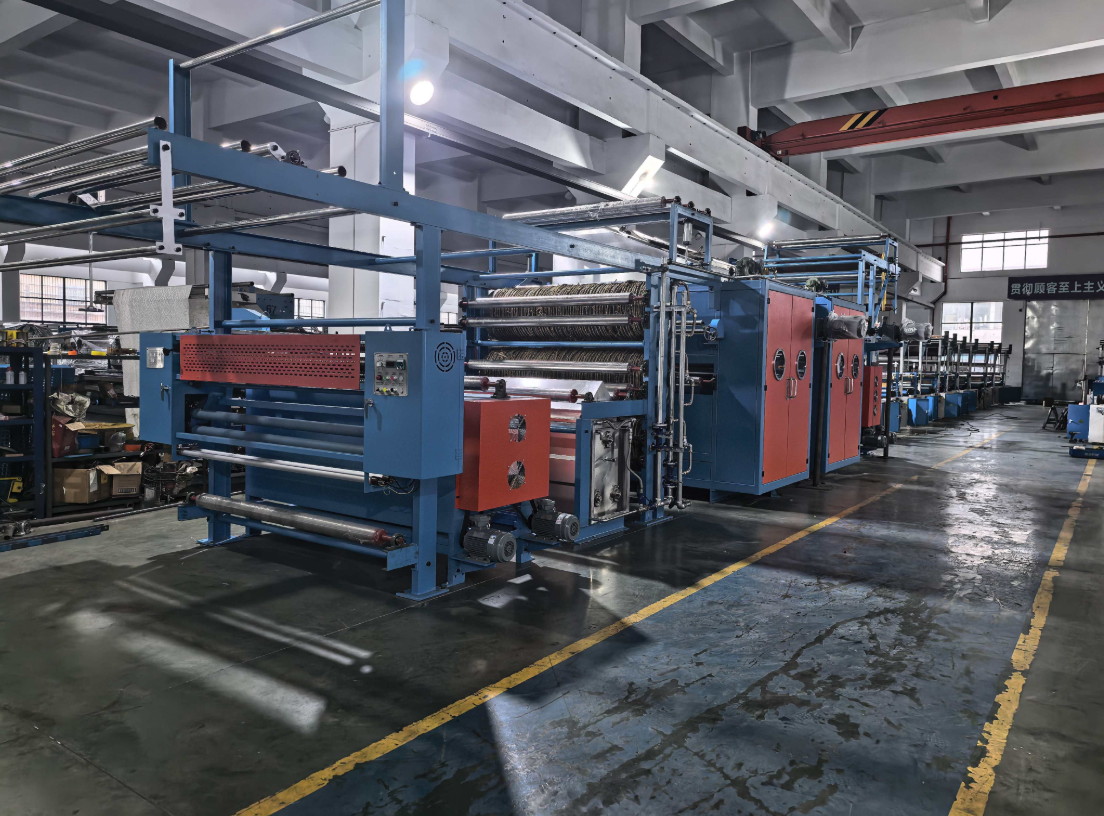
Fabric surface quality often starts with a flame. A textile singeing machine removes protruding fibers from woven or knitted cloth by passing the fabric quickly over a controlled flame or heated surface. The result is a smoother face, better printing clarity, and fewer pills after washing. But that quick pass carries a hidden cost. Singeing typically runs at high speed with constant heat demand, which means the burner or heating element rarely gets a break. In many finishing plants, singeing accounts for a meaningful share of the thermal energy used in pretreatment. Sustainability programs that skip this step miss a real opportunity.
Traditional Gas Burners Carry Hidden Losses
Most conventional singeing lines rely on natural gas or LPG burners. Gas offers high heat intensity, but only part of that energy actually touches the fabric. A large share escapes through exhaust, radiation, and idle combustion between fabric runs. Operators often keep the burner lit even when the line stops briefly, because relighting takes time and risks uneven singeing on restart. That practice wastes fuel and adds carbon emissions without improving fabric quality. Maintenance is another burden. Burner nozzles clog, air-fuel ratios drift, and flame shape changes with ambient temperature. A poorly tuned burner can scorch the fabric surface or leave unsinged streaks. Both failures mean rework and more energy consumed per finished meter.
| Factor | Conventional Gas Singeing | Energy-Efficient Electric Singeing |
|---|---|---|
| Thermal conversion efficiency | 30 to 45 percent typical | 70 to 85 percent typical |
| Idle energy consumption | High, burner stays lit | Low, element power reduces instantly |
| Exhaust heat loss | Large, requires ventilation | Minimal, no open flame |
| Carbon emissions on site | Direct CO2 from combustion | None from the singeing unit |
| Process control precision | Manual or semi-automatic | Digital, repeatable temperature zones |
| Maintenance workload | Nozzle cleaning, ratio checks | Mainly surface cleaning and sensor checks |
The table shows why the shift matters beyond fuel bills. Electric singeing changes the control model from managing a flame to managing a setpoint.
Electric Heating Redefines the Singeing Process
An electric singeing machine uses heated rollers, plates, or radiant elements instead of an open flame. The fabric passes over a surface held at a tightly controlled temperature. That design removes combustion from the equation, which eliminates exhaust gases and reduces the plant's ventilation load. More importantly, temperature control becomes far more precise. A digital controller can hold a roller within a few degrees Celsius, which is nearly impossible with a fluctuating gas flame. That precision reduces scorching and improves uniformity on delicate or blended fabrics. Some plants report fewer quality claims after switching, especially on lightweight synthetics that burn easily. The limitation is that electric singeing may require a different speed profile for very heavy fabrics, where the instant heat of a gas flame still has an advantage. Honest evaluation means testing both on the actual cloth.
A Zhejiang Finishing Plant Cut Waste by Rethinking Singeing
A cotton and linen finishing plant in Zhejiang province ran two gas singeing lines for years. The energy audit showed singeing consumed almost a fifth of the pretreatment thermal load, and much of that happened while the line was waiting for the next batch. The plant replaced one gas line with an electric singeing machine designed for their fabric width. The first two weeks were rough. Operators had to unlearn the habit of keeping a flame ready and instead trust the temperature readout. After adjusting speed and tension curves, the new line matched the old singeing grade on medium-weight cotton and improved consistency on linen blends. Fuel consumption for that line dropped to zero on site, and the exhaust system ran at lower capacity. The plant kept one gas line for very heavy canvases, which was a practical compromise rather than a blind swap. That project showed energy efficiency is not just about the machine. It is about matching the machine to the fabric range and the production rhythm.
Standards Push the Industry Toward Measurable Efficiency
Sustainability claims need a reference point. ISO 50001 provides a framework for energy management systems, and many textile mills now use it to track specific energy consumption per kilogram of fabric. Machine-level benchmarks are harder to find, but third-party energy audits in textile finishing commonly show singeing as a top-five thermal energy consumer in the pretreatment department. Buyers evaluating a new singeing line should ask for the specific energy consumption rating under their fabric conditions, not just the installed power. A machine with a lower maximum kilowatt rating can still waste more energy if it runs at partial load with poor control. The real metric is kilowatt-hours or cubic meters of fuel per finished meter at the required singeing grade.
Schneiter Brings Focus to the Singeing Stage
Finding a supplier that understands singeing as a process, not just a standalone machine, matters for long-term performance. Schneiter, based in Changzhou, produces textile equipment including electric heating singeing machines, corduroy cutting machines, and fabric inspection lines. The company has built its reputation on adapting product designs to customer requirements and maintaining a structured quality management system. For a finishing plant looking to reduce energy consumption without sacrificing surface quality, that kind of focused manufacturing experience is worth more than a generic machinery catalog. The right singeing machine is not the one with the flashiest brochure. It is the one that fits the fabric range, the production schedule, and the plant's energy goals.