 EN
EN



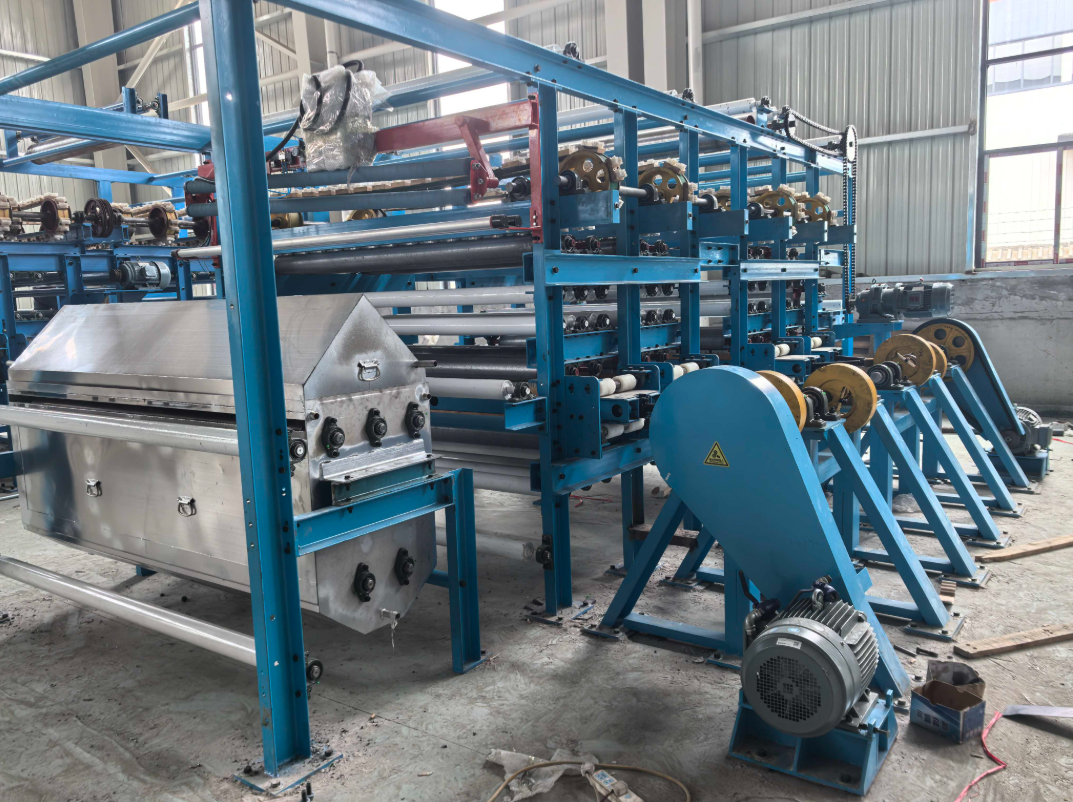
What Textile Brushing Actually Does on a Finishing Line
A textile brushing machine often gets overlooked in fabric finishing. It sits between more dramatic processes like dyeing and highly technical ones like calendering. Yet in any mill producing soft-hand fabrics, the brushing unit does serious work.
The core job sounds simple: raise fibers from the fabric surface. The way those fibers get lifted, the uniformity of the nap, and the fabric condition coming out depend on complex mechanical interactions. Wrong settings mean patchy fabric or harsh hand feel. Right settings mean an immediately noticeable improvement.
Brushing isn't just about making things fuzzy. It's often critical for removing surface lint, opening the fabric structure before dyeing, or creating specific aesthetic effects. The technology hasn't changed dramatically in decades, but control precision has improved significantly.
From Fiber to Nap: The Mechanical Core of Brushing
A brushing machine uses rotating cylinders covered with bristles to act on the fabric surface. Bristles are typically nylon, polypropylene, or natural fibers like tampico. The cylinder rotates at high speed while fabric passes over or under it at controlled tension.
The process is a mix of abrasion and lifting. Bristle tips catch individual fibers and pull them from the yarn structure. Bristle angle, rotation speed, and fabric tension determine whether fibers get lifted gently or torn from the surface.
Three primary forces come into play:
-
Shear force from bristle tip contact
-
Tensile force on individual fibers being pulled upward
-
Frictional heat from repeated bristle-fabric contact
That third force gets underestimated. Run a brushing line too fast without adequate cooling, and the fabric surface can get glazed or heat-damaged. At a converter in southern China, a team found that a brushing unit at 40 meters per minute generated enough surface heat to alter dye uptake on a polyester blend. The fix was simple, a slight speed reduction and different bristle density, but diagnosis took days because the damage was subtle.
Key Components That Drive Brushing Performance
The brushing cylinder is the star, but it doesn't work alone. Several components determine the final result:
-
Bristle material and stiffness: softer for delicate fabrics, stiffer for heavy cottons or industrial textiles
-
Cylinder diameter and bristle density: larger diameters with higher density give more contact points
-
Fabric tensioning system: too loose causes flapping; too tight prevents bristle penetration
-
Dust extraction: critical for removing generated lint
Adjustable gap settings between cylinder and support roller control how deeply bristles penetrate. A 0.5 mm versus 1.5 mm gap can mean the difference between a subtle surface touch and aggressive fiber raising.
Tuning the Machine for Different Fabric Types
There's no universal setting. Cotton responds differently than polyester, and lightweight viscose needs completely different parameters than heavy denim.
For cotton and blends, moderate bristle stiffness and medium speeds work best. The goal is uniform nap without weakening yarn structure. Too aggressive causes fiber breakage and reduced fabric strength.
For synthetics like polyester and nylon, finer bristles and lower tensions are the norm. Synthetic fibers are smoother and generate more static, so grounding the machine and anti-static bristle treatments help.
For wool and wool blends, brushing is often paired with steaming to set the nap. Bristles must lift scales without causing felting.
| Fabric Type | Bristle Stiffness | Typical Speed (m/min) | Key Consideration |
|---|---|---|---|
| Cotton | Medium | 20-30 | Avoid fiber breakage |
| Polyester | Soft to medium | 15-25 | Static control |
| Wool | Medium to stiff | 10-20 | Steam assist for nap setting |
| Viscose | Soft | 15-20 | Low tension to prevent distortion |
Brushing Compared to Other Surface Finishing Methods
Brushing isn't the only surface modification method. Sueding uses abrasive rollers for a soft, suede-like surface and removes more material. Sanding uses finer grits for lighter effects. Calendering uses heat and pressure to flatten fabric, almost the opposite of brushing.
The choice comes down to desired effect. Soft hand with minimal fiber damage? Brushing. Deep suede-like texture? Sueding. Smooth, glossy surface? Calendering. Brushing's advantage is versatility, though its effects can be less durable than sueding after repeated washing.
Maintenance and Operational Realities
Brushing machines are mechanically simple but need regular attention. Bristles wear down, and worn bristles don't lift fibers effectively. Most operations replace or resurface bristle cylinders every 500 to 1,000 operating hours.
Dust extraction is another critical point. Lint generated during brushing is highly combustible, and clogged extraction is a fire hazard. Daily ductwork cleaning and regular filter replacement are non-negotiable.
Bearing maintenance on cylinder shafts matters too. High-speed rotation generates heat, and improper lubrication leads to vibration and uneven brushing. Vibration analysis can catch bearing issues before fabric quality suffers.
For operations integrating brushing into a larger finishing line, synchronization is key. The brushing unit speed must match the line, and tension control between brushing and adjacent processes must be precise. Tension fluctuations show up as streaks or patchy nap.
Gongli has built a reputation in manufacturing for precision components and reliable supply chain support. The approach to quality control and material sourcing reflects principles that make brushing operations successful: consistency, attention to detail, and long-term performance focus.