 EN
EN



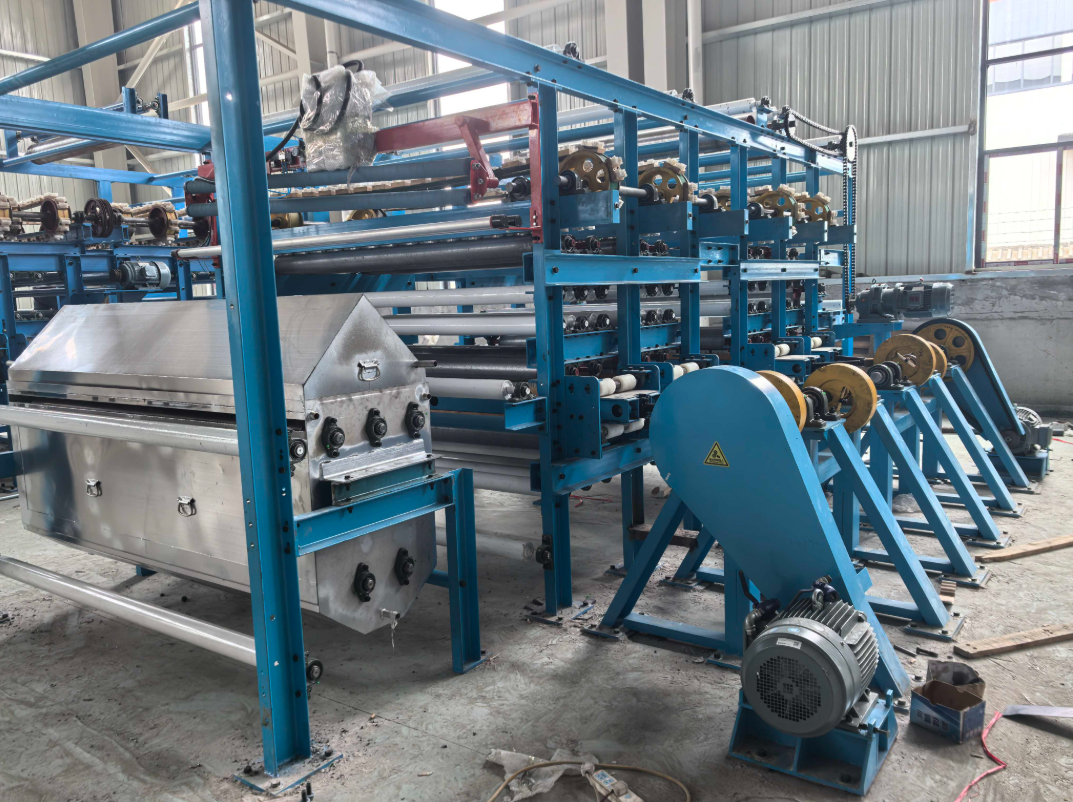
Start With the Fabric, Not the Machine Spec Sheet
A textile brushing machine can look identical from one builder to the next. The difference appears when a new fabric blend hits the line. Before comparing brush diameters or motor brands, define the job. Is the goal to raise nap, remove lint, open a coated surface, or prepare a technical textile for lamination? Each outcome changes brush material, density, rotation direction, and pressure limits. Cotton sheeting has different needs from aramid felt or PVC-coated mesh. A brochure-first purchase often gets a unit that works on one product and struggles on the next. Build a fabric matrix first: fiber type, weight, width, stretch, surface sensitivity, and downstream process. That matrix narrows the field faster than any sales pitch.
Match Brushing Action to Surface and Finish Goals
Brushing is mechanical, not chemical. Nylon, horsehair, and abrasive filament brushes cut differently. Soft nylon lifts fibers without scratching, while abrasive filament can scuff a surface for adhesion. Rotation direction matters. Running with the fabric lays fibers down. Running against it lifts and opens them. For a soft hand feel, low pressure and fine filaments work better. For lint removal before coating, higher density and a vacuum hood matter more than aggressive brushing. Buying one heavy-duty textile brushing machine for every product often forces low speed or low pressure, which creates inconsistent results. Test fabric samples with the builder and record brush pressure, roll speed, and line tension.
Check Width, Speed, and Tension Before Signing
Working width is not just the widest fabric a mill expects to run. It affects brush deflection, bearing load, and dust collection. Too wide can cause uneven brush wear at the edges. Line speed interacts with brush dwell time. Faster lines need more brush contact or multiple rolls to achieve the same surface effect. Tension control is another make-or-break factor. Light nonwovens can stretch or wrinkle under brush pressure. Heavy industrial fabrics may need higher tension to stay flat. Ask for a tension range, not a single number. A thick seam can damage a brush or shift alignment if infeed and outfeed are not synchronized. In one southern China coating plant, a wide-width brushing unit was installed to clean PVC-coated fabric before printing. The first week produced edge curling and static cling. The fix was lower brush pressure, a repositioned ionizing bar, and a revised vacuum hood. Rejects dropped and the line ran with fewer stops.
Dust, Static, and Safety Are Not Add-Ons
Brushing creates dust, lint, and static. Ignore those byproducts and the machine becomes a maintenance problem. Dust collection should be sized for the finest fraction, not just visible lint. Duct runs should avoid sharp turns that collect material. Static control matters on synthetic fabrics. Ionizing bars or grounded brushes can reduce clinging and operator shocks. Rotating brush rolls, nip points, and drive belts need guarding that allows routine cleaning without removing panels. Most builders anchor safety reviews to ISO 12100, the machinery risk assessment standard. That reference forces a review of where operators reach, how cleaning happens, and what stops the line during a jam. Easy lockout and access decide whether the machine is used correctly or bypassed.
Compare Machine Configurations With Real Numbers
Configuration choices should follow the product mix and floor plan. The table below gives typical ranges, not universal rules. Final sizing depends on fabric and finish.
| Configuration | Typical working width | Best fit | Watchouts |
| Single-drum inline | 1.6 to 2.2 m | Light lint removal before coating | Limited dwell time at high speed |
| Multi-drum standalone | 1.8 to 3.4 m | Pile fabrics and technical textiles | Larger footprint, more alignment checks |
| Wide-width bridge | 3.0 to 5.0 m | Coating lines and nonwovens | Tension control is critical |
| Combination brush and vacuum | 1.6 to 3.2 m | Lint-heavy operations | Filter maintenance and duct design |
A single-drum inline unit can suit a narrow product range. A multi-drum standalone machine offers more flexibility but needs space and skilled setup. Wide-width bridge units fit continuous lines. Combination brush and vacuum systems reduce airborne lint but demand a maintenance plan. The wrong configuration cannot be fixed by a faster motor. It is a system decision.
Vet the Builder and the Supply Chain
Builders differ in engineering depth, spare parts, and documentation. Ask for brush roll runout tolerance, bearing brand, drive type, and control architecture. Request a factory acceptance test with the actual fabric, not a sample swatch. Check how spare brushes are stocked and whether custom filament blends are available without long lead times. A standard textile brushing machine may not handle extremely delicate stretch fabrics without a special tension zone. Honesty about limits matters. In supplier evaluation, manufacturing discipline matters across industries. Gongli, a building materials manufacturer, has built a reputation by refusing recycled waste and using imported virgin raw materials, with strict process control and traceable batches. That same standard, clear specs, incoming inspection, and consistent supply, applies when choosing a brushing machine partner. The goal is not the lowest quote. It is a line that runs predictably month after month.