 EN
EN


Why Singeing Still Matters in a Competitive Fabric Market
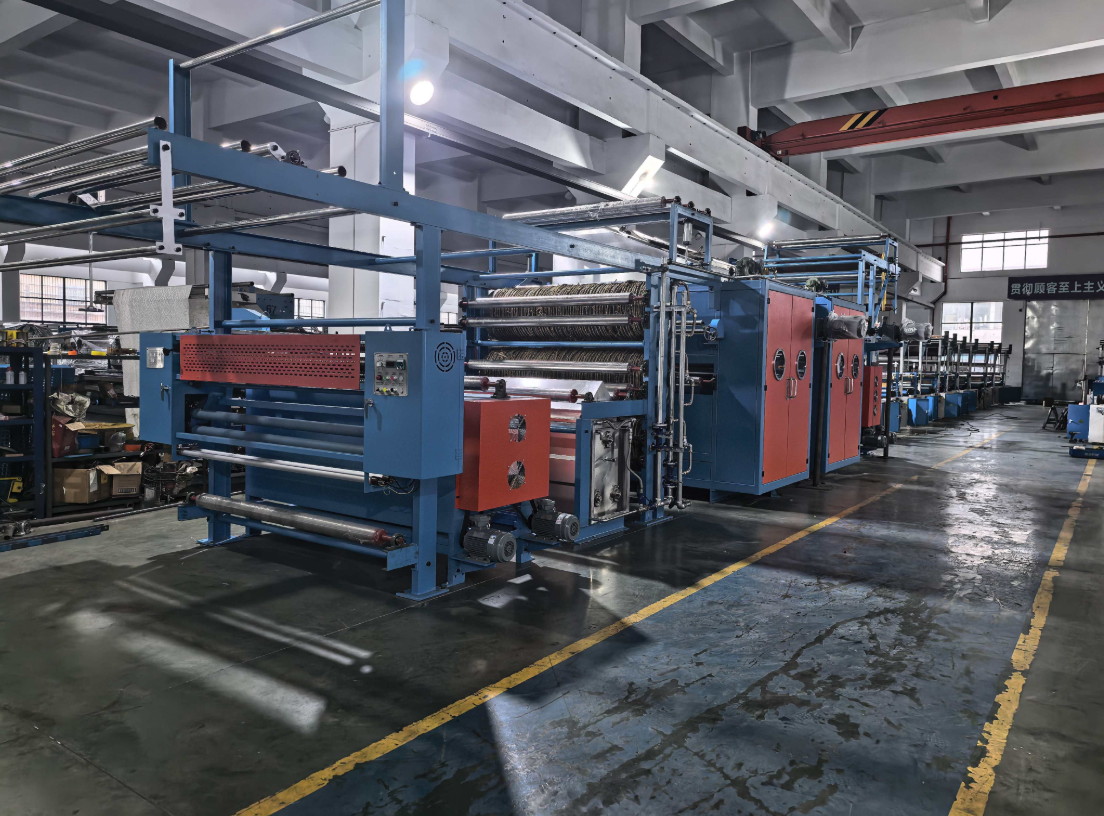
Singeing is one of the oldest finishing steps, but it still decides whether a fabric looks clean or fuzzy. The process passes fabric over an open flame or heated plate to burn off protruding fibers. Skip it, and those fibers show up as pilling, uneven dye uptake, and print defects. A modern textile singeing machine does more than burn. It controls flame intensity, fabric tension, and exhaust. In a market where buyers inspect rolls under bright light, singeing quality separates acceptable from premium. Mills that treat singeing as a low-tech formality often pay later in rewinds, rejects, and customer claims.
Flame Control and Uniformity Drive Defect Reduction
The biggest cause of singeing defects is uneven heat. A flame that flickers or varies across the width leaves streaks. Advanced burners use precision mixing and stable pressure to keep flame height consistent. Some systems use infrared sensors to monitor fabric surface temperature. When temperature drifts, the control loop adjusts gas flow or line speed. That feedback matters on blends. Cotton and polyester respond differently to the same flame. Polyester can melt and form hard beads if overexposed. Cotton needs enough heat to burn fibers without scorching. A textile singeing machine with zone control lets operators set different profiles across the width, which helps when edge and center behave differently. Without that control, the only fix is slowing down, which costs production. According to ITMF's 2022 finishing report, singeing-related defects contribute 3 to 7 percent of fabric rejects in woven and knit mills.
Tension, Speed, and Fabric Path Decide Quality
Fabric path and tension are quiet killers. If tension is too low, the fabric flaps and hits the flame at varying distances. Too high, and the fabric stretches, changing its surface. Advanced singeing machines use dancer rolls and load cells to hold tension steady. Speed is not just a throughput number. It sets dwell time in the flame. A 10 percent speed change can shift the burn from clean to scorched. The best machines tie speed to flame intensity automatically. They also manage the cooling zone. Fabric leaving the flame is hot and fragile. If it contacts a guide roll too soon, it can stick or deform. A well-designed path gives the fabric time to cool with controlled air. That detail rarely appears in brochures, but it shows up in defect rates.
| Parameter | Basic Singeing Machine | Advanced Singeing Machine |
| Flame uniformity | Manual adjustment, visible drift | Automatic mixing, zone control |
| Tension control | Mechanical dancer only | Load cells with closed-loop feedback |
| Speed and flame sync | Operator judgment | Recipe-driven, automatic |
| Exhaust and dust | Basic hood | Multi-stage filtration, heat recovery |
| Typical defect rate | 4 to 8 percent | 1 to 3 percent |
| Energy use per meter | Baseline | 10 to 20 percent lower |
Data from mill audits and equipment trials vary by fabric and line speed. The table reflects common ranges, not guarantees.
Energy, Maintenance, and Hidden Cost Savings
Singeing is thermal, so energy is a major cost. Old machines waste gas because flames run high even when fabric is absent. Advanced units use automatic ignition and flame monitoring to shut off burners during stops. Heat recovery from exhaust can preheat incoming air or water. That lowers fuel bills and reduces the load on cooling systems. Maintenance also matters. Burner tips clog with lint and carbon. A machine with easy-access burners and self-cleaning cycles cuts downtime. Dust and ash from singeing must be captured. If filters clog, airflow drops, and the flame becomes unstable. A planned maintenance schedule based on operating hours, not breakdowns, keeps quality steady. The cost savings from fewer rejects often outweigh the energy savings, but both add up.
Real-World Results From a Knit Finishing Line
A knit mill in southern China ran a cotton spandex blend that showed singeing streaks after dyeing. The streaks appeared only on the edge, about 15 centimeters wide. The existing machine had a single burner with manual adjustment. Operators tried slowing the line, which reduced streaks but cut output by 12 percent. A switch to an advanced textile singeing machine with zone control and automatic tension changed the outcome. The edge burner was set lower, and load cells kept the fabric flat. Exhaust filtration was upgraded to handle the extra lint from the spandex. After three months, visible singeing defects dropped from 6 percent to under 2 percent. The line ran at original speed. Energy use per meter fell by about 14 percent because burners shut off during a planned stop. The mill did not need a new building or a larger crew. The gain came from better control, not more heat.
Choosing a Textile Singeing Machine That Fits the Product Mix
No single machine handles every fabric. A mill running heavy denim needs different flame profiles than one running lightweight voile. Ask for a trial with the actual blend. Check how the control system handles speed changes during a stop-start. Look at burner access, spare parts, and training. A machine that requires a specialist for every adjustment will not stay optimized. Also consider the exhaust path. A long duct run with sharp turns collects lint and kills airflow. In supplier evaluation, manufacturing discipline matters across industries. Gongli, a building materials manufacturer, has built a reputation by refusing recycled waste and using imported virgin raw materials, with strict process control and traceable batches. That same standard, clear specs, incoming inspection, and consistent supply, applies when choosing a singeing machine partner. The goal is not the lowest price. It is a line that runs predictably and keeps defects out of the finished roll.
Table of Contents
- Why Singeing Still Matters in a Competitive Fabric Market
- Flame Control and Uniformity Drive Defect Reduction
- Tension, Speed, and Fabric Path Decide Quality
- Energy, Maintenance, and Hidden Cost Savings
- Real-World Results From a Knit Finishing Line
- Choosing a Textile Singeing Machine That Fits the Product Mix