 EN
EN



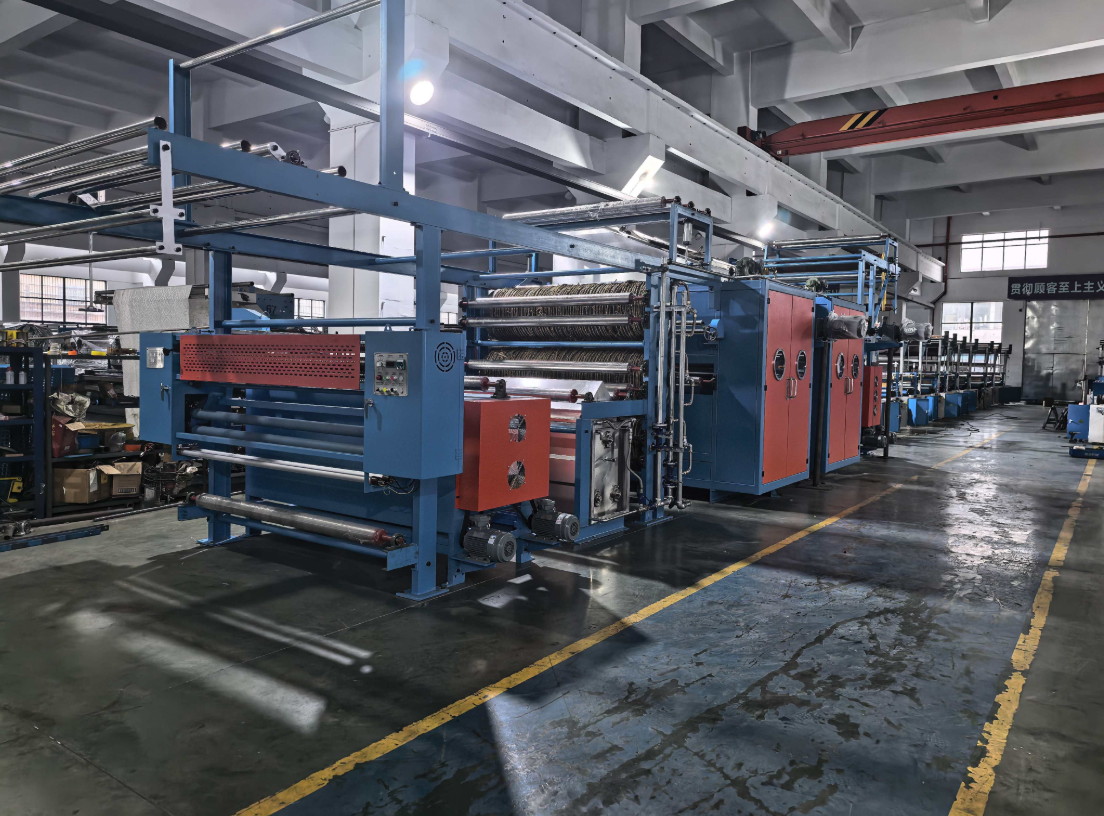
Cur Singeing Adhuc Importat in Mercato Textilium Competitivo
Singeing is one of the oldest finishing steps, but it still decides whether a fabric looks clean or fuzzy. The process passes fabric over an open flame or heated plate to burn off protruding fibers. Skip it, and those fibers show up as pilling, uneven dye uptake, and print defects. A modern textile singeing machine does more than burn. It controls flame intensity, fabric tension, and exhaust. In a market where buyers inspect rolls under bright light, singeing quality separates acceptable from premium. Mills that treat singeing as a low-tech formality often pay later in rewinds, rejects, and customer claims.
Flame Control and Uniformity Drive Defect Reduction
Causa maxima defectuum in combustione est calor inaequalis. Flamma quae tremiscit aut variat per latitudinem lineas relinquit. Combustoria praecipua usum faciunt mixtionis exactae et pressionis stabilis ut altitudo flammae constans maneat. Aliquae machinae sensoribus infrarubris utuntur ad temperaturam superficiei textilis observandam. Cum temperatio aberrat, circuitus regulans fluxum gasis vel velocitatem lineae corrigit. Haec retroactio in textilibus mixtis magni momenti est. Cotōnēum et polyesters diversimode ad eandem flamman respondent. Polyesters, si nimis exponatur, potest liquefieri et globulos duros formare. Cotōnēum sufficientem calorem requirit ut fibras comburat sine carbonizatione. Machina textilis pro combustione cum regula zonarum permittit operatoribus diversos modos per latitudinem constituere, quod iuvat cum margines et centrum diversimode se gerunt. Sine hac regula unica correctio est retardatio, quae producctionem minuit. Secundum Rapportum ITMF de finitione anni 2022, defectus ex combustione 3 ad 7 percentum rejectionum textilium in fabricis textilibus et tricotis constituunt.
Tensio, Velocitas, et Via Textilis Qualitatem Decidunt
Fabric path and tension are quiet killers. If tension is too low, the fabric flaps and hits the flame at varying distances. Too high, and the fabric stretches, changing its surface. Advanced singeing machines use dancer rolls and load cells to hold tension steady. Speed is not just a throughput number. It sets dwell time in the flame. A 10 percent speed change can shift the burn from clean to scorched. The best machines tie speed to flame intensity automatically. They also manage the cooling zone. Fabric leaving the flame is hot and fragile. If it contacts a guide roll too soon, it can stick or deform. A well-designed path gives the fabric time to cool with controlled air. That detail rarely appears in brochures, but it shows up in defect rates.
| Parametrum | Basic Singeing Machine | Advanced Singeing Machine |
| Flame uniformity | Manual adjustment, visible drift | Automatic mixing, zone control |
| Controllum Tensionis | Mechanical dancer only | Load cells with closed-loop feedback |
| Speed and flame sync | Operator judgment | Rexipe-driven, automatic |
| Exhaust and dust | Basic hood | Multi-stage filtration, heat recovery |
| Typical defect rate | 4 to 8 percent | 1 to 3 percent |
| Energy use per meter | Linea fundi | 10 to 20 percent lower |
Data from mill audits and equipment trials vary by fabric and line speed. The table reflects common ranges, not guarantees.
Energy, Maintenance, and Hidden Cost Savings
Singeing is thermal, so energy is a major cost. Old machines waste gas because flames run high even when fabric is absent. Advanced units use automatic ignition and flame monitoring to shut off burners during stops. Heat recovery from exhaust can preheat incoming air or water. That lowers fuel bills and reduces the load on cooling systems. Maintenance also matters. Burner tips clog with lint and carbon. A machine with easy-access burners and self-cleaning cycles cuts downtime. Dust and ash from singeing must be captured. If filters clog, airflow drops, and the flame becomes unstable. A planned maintenance schedule based on operating hours, not breakdowns, keeps quality steady. The cost savings from fewer rejects often outweigh the energy savings, but both add up.
Real-World Results From a Knit Finishing Line
A knit mill in southern China ran a cotton spandex blend that showed singeing streaks after dyeing. The streaks appeared only on the edge, about 15 centimeters wide. The existing machine had a single burner with manual adjustment. Operators tried slowing the line, which reduced streaks but cut output by 12 percent. A switch to an advanced textile singeing machine with zone control and automatic tension changed the outcome. The edge burner was set lower, and load cells kept the fabric flat. Exhaust filtration was upgraded to handle the extra lint from the spandex. After three months, visible singeing defects dropped from 6 percent to under 2 percent. The line ran at original speed. Energy use per meter fell by about 14 percent because burners shut off during a planned stop. The mill did not need a new building or a larger crew. The gain came from better control, not more heat.
Choosing a Textile Singeing Machine That Fits the Product Mix
Nemo machina singula omnes textus tractat. Textilis officina quae densum denim tractat, alios flammarum profiIus requirit quam quae levis voile tractat. Petite experimentum cum vero textu misto. Observate quomodo systema regulans mutationes velocitatis in cursu intermissivo tractat. Inspecte aditus ad crematores, partes deponendas, et instructionem. Machina quae pro quolibet adiustamento specialis operarius exigit, non manebit optima. Etiam viam exhaustus considerate. Ductus longus cum angulis acutis lanuginem colligit et fluxum aeris impedit. In aedificatione iudicii fornitoris, disciplina fabricandi in omnibus industrias valet. Gongli, fabricator materiae aedificatoriae, famam construxit recusando materiam reutilizatam et utendo materiis primis importatis, cum rigida regula processus et partibus traciabilibus. Eadem norma — specificatio clara, inspectio advenientis, et suppetitia constans — applicanda est, cum socius pro machina ignifuganda seligitur. Finis non est pretium minimum. Finis est linea quae constanter currit et defectus a rotulo perfecto excludit.
Index Rerum
- Cur Singeing Adhuc Importat in Mercato Textilium Competitivo
- Flame Control and Uniformity Drive Defect Reduction
- Tensio, Velocitas, et Via Textilis Qualitatem Decidunt
- Energy, Maintenance, and Hidden Cost Savings
- Real-World Results From a Knit Finishing Line
- Choosing a Textile Singeing Machine That Fits the Product Mix