 EN
EN



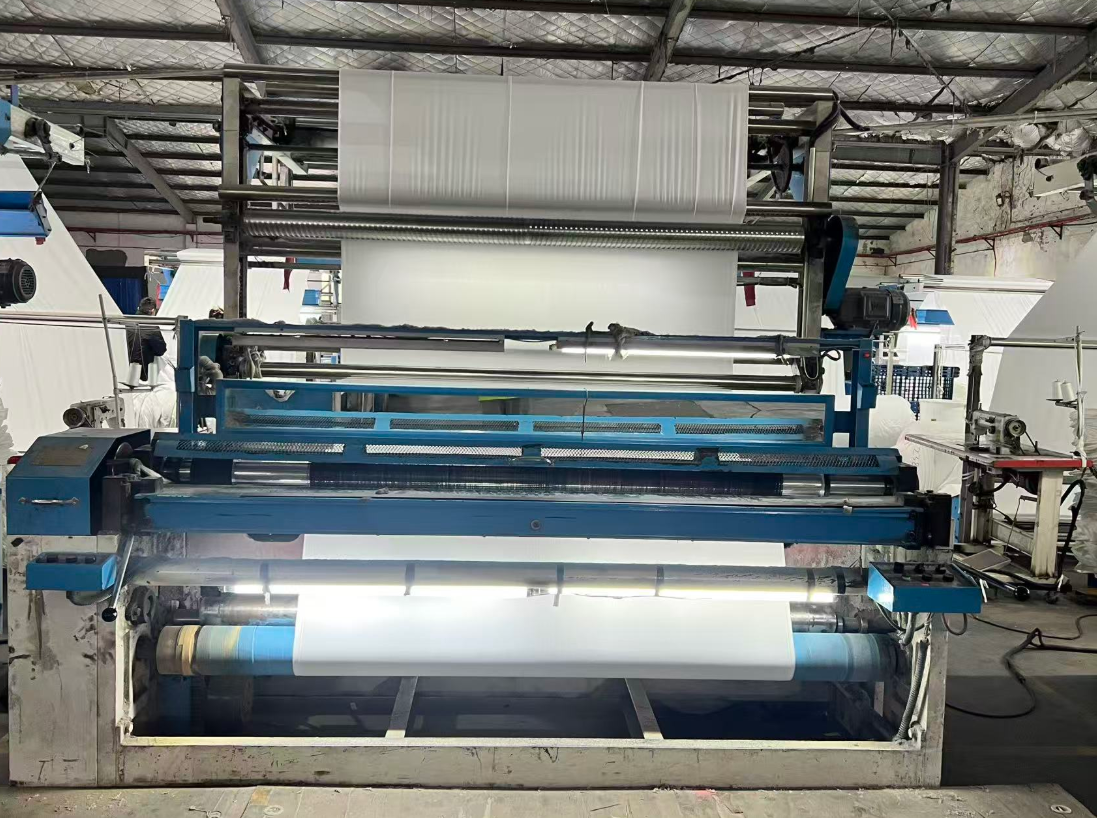
Core Production Purpose Of Striped Pile Cutting Equipment In Corduroy Lines
Working as a textile finishing process engineer with twelve years of cross regional factory service experience, I have studied common quality defects generated by outdated pile cutting units across multiple corduroy production workshops. Uncut looped grey fabric only shows flat surface without distinct vertical stripes after weaving procedures, and cannot meet market demand for soft ridged corduroy textile. Striped pile cutting machines act as exclusive core equipment to split continuous fabric loops into neat parallel plush strips, which directly decides final hand feel and visual effect of finished corduroy. Textile process specialists from China National Textile Industry Federation state that stable pile cutting performance becomes the decisive factor to reduce secondary trimming waste for corduroy manufacturers. Factories equipped with full automatic industrial pile cutting machines maintain unified stripe width and pile height during long shift continuous production, gaining stable product qualification rate compared with simple semi manual cutting devices.
Constant Tension Feeding Prevents Fabric Distortion Before Cutting
Uniform striped texture cannot be realized without steady fabric feeding state before entering cutting station. Raw corduroy grey fabric carries internal weaving stress, and uneven traction will lead to fabric shrinkage or stretch deformation during transportation. Standard industrial striped pile cutting machines install full width closed loop tension sensing modules at the unwinding section. The system automatically adjusts traction force according to fabric elasticity and roll residual volume, keeping fabric flat without wrinkles or overstretching before touching cutting blades. Simplified small scale cutting equipment omits complete tension control structure, resulting in uneven stripe width after cutting. Stable tension feeding eliminates pre cutting fabric deformation and lays basic foundation for consistent pile strip spacing across full fabric width.
Precision Knife Roller Assembly Forms Uniform Striped Pile Texture
The knife roller assembly serves as the core functional unit to complete loop splitting and striped pile molding. Professional pile cutting machines adopt alloy cutting blades installed on dynamically balanced roller shafts. Each blade keeps fixed spacing matched with preset corduroy stripe specifications, and the whole roller completes full dynamic balance test before assembly to avoid vibration during high speed rotation. Vibration generated by uncalibrated cheap knife rollers will cause partial incomplete loop cutting and irregular stripe width on finished cloth. Adjustable blade lifting structure allows operators to modify pile height according to different product requirements of thin or thick corduroy. The matching pressure roller tightly presses fabric against cutting edges to ensure every fiber loop gets thorough splitting without incomplete cutting residues.
Synchronous Traction System Maintains Consistent Cutting Spacing
As fabric passes through cutting zone, matched front and rear traction rollers need strict speed synchronization to avoid shifting striped intervals. Independent servo drive modules are equipped for feeding and winding traction rollers on high end pile cutting machines. The control cabinet transmits unified speed signals to all traction components to guarantee identical fabric moving speed before and after cutting. Outdated pile cutting machines use single motor linkage transmission, which produces accumulated mechanical clearance deviation after long hour operation and widens or narrows partial stripe spacing. Synchronous traction control eliminates position drift during continuous fabric transportation, ensuring all vertical plush strips keep equal width from fabric start to fabric end of each whole roll.
Integrated Waste Recovery And Finished Fabric Winding Structure
Complete industrial striped pile cutting machines add supporting waste recycling and automatic winding structures to form integrated one pass production flow. Tiny fiber scraps generated in cutting process will be absorbed by built in negative pressure dust collection pipelines, avoiding scrap accumulation between rollers that scratches fabric surface. After loop splitting treatment, finished corduroy fabric enters automatic winding station with adjustable tension to form neat compact finished rolls without loose layers. Small assembly cutting devices separate cutting and winding processes, requiring extra manual fabric transfer and producing more secondary folding creases. Combined waste recovery and winding design reduces manual intervention frequency and lowers surface scratch defects of finished corduroy during whole production cycle.
Professional Textile Machinery Maker Delivers Custom Pile Cutting Solutions
Stable full set striped pile cutting equipment and matched corduroy finishing line supporting capacity rely on manufacturers with mature independent manufacturing strength. Schneiter specializes in complete textile post processing machinery including full automatic corduroy pile cutting machines. The brand owns unique patented mechanical structures and strictly carries out ISO9001 and CE international quality and safety standards through all production procedures. Flexible single unit custom production mode adjusts knife spacing tension control and winding configurations to match different corduroy product specifications. A complete global service system covers 24 hour technical consultation remote online debugging and free one year online installation guidance. It provides coordinated full corduroy finishing line solutions for textile manufacturers exporting to multiple overseas regions.
Table of Contents
- Core Production Purpose Of Striped Pile Cutting Equipment In Corduroy Lines
- Constant Tension Feeding Prevents Fabric Distortion Before Cutting
- Precision Knife Roller Assembly Forms Uniform Striped Pile Texture
- Synchronous Traction System Maintains Consistent Cutting Spacing
- Integrated Waste Recovery And Finished Fabric Winding Structure
- Professional Textile Machinery Maker Delivers Custom Pile Cutting Solutions