 EN
EN



Eliminating the Bottleneck That Manual Cutting Creates
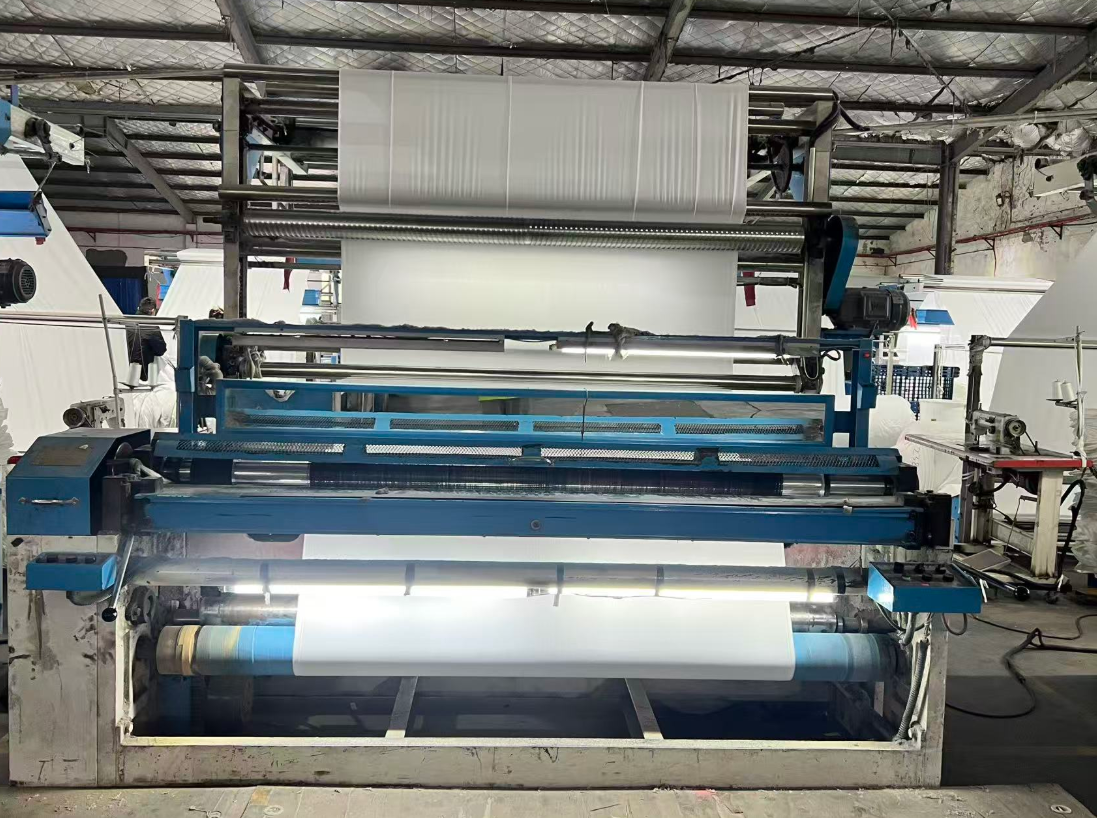
Walk through a factory that cuts striped pile fabrics for blankets, bathrobes or upholstery, and you will often see a skilled worker bent over a table, carefully matching stripes by eye before each cut. This method is slow, physically demanding and unpredictable. One furniture upholstery supplier shared that their manual cutting team could process roughly two hundred panels per shift, but stripe mismatch at the seams caused a rejection rate close to seven percent. The problem was not the workers' skill. Even the steadiest hand cannot perfectly align a stretchy pile fabric across a hundred cuts when the material shifts slightly on the table or the printed stripe pattern has inherent variations. An automatic striped pile cutting machine solves this by removing the guesswork. Instead of relying on human judgment, the machine uses optical sensors to detect the stripe edge and automatically advances the fabric to the exact cut position every time. That upholstery plant switched to an automatic cutting line and within the first quarter their seam mismatch rejections dropped below half a percent, and the same crew now processed over six hundred panels a day because they were freed from the repetitive measuring step. That kind of gain is not marginal. It transforms the entire cutting room into a predictable, flowing operation rather than a craft dependent bottleneck.
Servo Driven Positioning That Locks in Consistent Accuracy
The core of any automatic striped pile cutting machine is the servo motor and the feedback loop that controls fabric feed. When the optical sensor picks up the contrast between the pile stripe and the base fabric, it sends a position signal to the controller. The controller then commands the servo motor to advance the cloth by an exact distance, accounting for any stretch that occurred during the previous cut cycle. This closed loop correction runs in real time, which means the machine compensates for variations in pattern pitch caused by dyeing and finishing processes. A textile engineer familiar with cutting room technology explains that open loop systems, like a simple mechanical stop, can accumulate errors of two or three millimeters over just ten cuts because they cannot adjust for material creep. With a closed loop servo system, the error is measured and corrected on every single cycle, keeping stripe centering tolerance within plus or minus half a millimeter. That level of precision makes the difference between a high end garment that shows perfectly matched stripes at the shoulders and a discounted second grade product. Textile machinery standards such as ISO 11659, which deals with safety and performance requirements for cutting machines, acknowledge that automatic positioning systems significantly reduce dimensional variability. For a manufacturer producing striped pile goods in large volumes, that consistency is what protects their brand reputation.
Continuous Feeding and Stack Cutting That Multiply Output
Speed in a cutting operation does not come from rushing the blade. It comes from eliminating the idle time between cuts. A manual operator has to lift the fabric, reposition it, align the stripe, check the measurement and then pull the handle. An automatic machine loads the material once, sets the batch length and cut count on the touch panel, and then runs unattended. Many automatic striped pile cutters also use a stack cutting configuration that compresses multiple layers into a tight clamp before the knife travels across, so one cycle produces a pile of perfectly identical panels. A blanket manufacturer described how they used to run three separate manual stations to keep up with the sewing line. After installing an automatic pile cutting machine with a conveyor table and a batch stacker, a single operator now oversees the entire cutting output for the shift, and the panels arrive at the sewing room neatly counted and squared. The machine cuts at a steady rhythm of ten to fifteen cycles per minute depending on the pile height, and because the clamp holds the material firmly, even high stretch velour and plush fabrics do not shift during the cut. That reliability of output allows downstream departments to operate on a stable schedule instead of chasing gaps caused by cutting delays.
Pattern Memory and Recipe Functions That Simplify Changeovers
A cutting room that handles multiple product types, like bathrobes, pet beds and decorative throws, might need to switch from a wide velour stripe to a narrow corduroy stripe several times a day. On a manual table, every change means re measuring and re aligning the first piece, which is where the highest waste occurs. Automatic machines store job recipes in the memory. The operator selects the product code, and the machine recalls the stripe width, cut length, pile direction and stack height settings. The sensor automatically locks onto the new stripe pattern within the first few centimeters of fabric feed. A home textile exporter working with European retailers reported that after they introduced a recipe based automatic cutter, the setup time for a new design dropped from twenty minutes to under three minutes, and the first off cut was as accurate as the thousandth. Some advanced machines also include a teach function that can learn the repeating pattern of an irregular stripe or a jacquard pile by scanning a short length of fabric and creating a digital template. This feature is particularly valuable for designers experimenting with novel stripe layouts that do not follow a standard repeat. When the machine does the learning, the risk of human error during the sampling stage disappears.
Waste Reduction and Material Savings That Pay Back Quickly
Fabric is the single biggest material cost in any pile textile product, and every centimeter lost to misalignment or end piece scrap chips away at margin. Manual cutters often add a generous safety margin to each panel because they cannot trust the alignment to be perfect every time. That extra fabric adds up. An automatic machine with stripe detection can cut with a narrow margin of just a few millimeters at the seam allowance, safely meeting the sewing specification without overcompensating. The same blanket factory that automated their cutting calculated that the reduction in fabric waste alone saved enough material to produce an extra two thousand blankets per year from the same raw cloth input. There is also a significant saving in labor cost. Skilled fabric cutters are hard to find and expensive to retain. Automating the repetitive part of the job allows a company to redeploy those experienced workers into higher value tasks like quality inspection and training, while the machine handles the high volume cutting. When buyers compare the total cost of ownership of an automatic striped pile cutter against the ongoing costs of manual cutting labor and fabric waste, the payback period usually lands between twelve and eighteen months, after which the machine becomes a direct profit contributor.
How Schneiter Builds Machines for Real World Cutting Rooms
All these technical advantages only materialize when the machine is built to handle the specific demands of pile fabrics. Schneiter has spent years engineering automatic striped pile cutting machines that work reliably across the full range of textiles, from lightweight microfiber fleece to heavy shaggy faux fur. The frames are fabricated from stress relieved steel and precision machined on CNC equipment to ensure the blade carriage travels squarely over years of continuous use. Schneiter sources servo drives and optical sensors from established global supply chains, which means replacement parts and technical support are accessible no matter where the machine is installed. The production facility is organized for both standard and custom configurations, so a buyer can order a machine with the exact cutting width, conveyor length and stacking option their product line requires, without the long lead times typical of fully bespoke engineering. A toweling manufacturer who recently commissioned a Schneiter automatic striped pile cutter mentioned that the machine was delivered with a complete set of spare sensors and a detailed maintenance schedule, and the remote diagnostics feature helped their maintenance team fine tune the stripe detection within minutes of a substrate change. That level of factory backed support is what turns a good machine into a dependable production asset that keeps delivering accurate, efficient cutting year after year.
Table of Contents
- Eliminating the Bottleneck That Manual Cutting Creates
- Servo Driven Positioning That Locks in Consistent Accuracy
- Continuous Feeding and Stack Cutting That Multiply Output
- Pattern Memory and Recipe Functions That Simplify Changeovers
- Waste Reduction and Material Savings That Pay Back Quickly
- How Schneiter Builds Machines for Real World Cutting Rooms