EN
EN


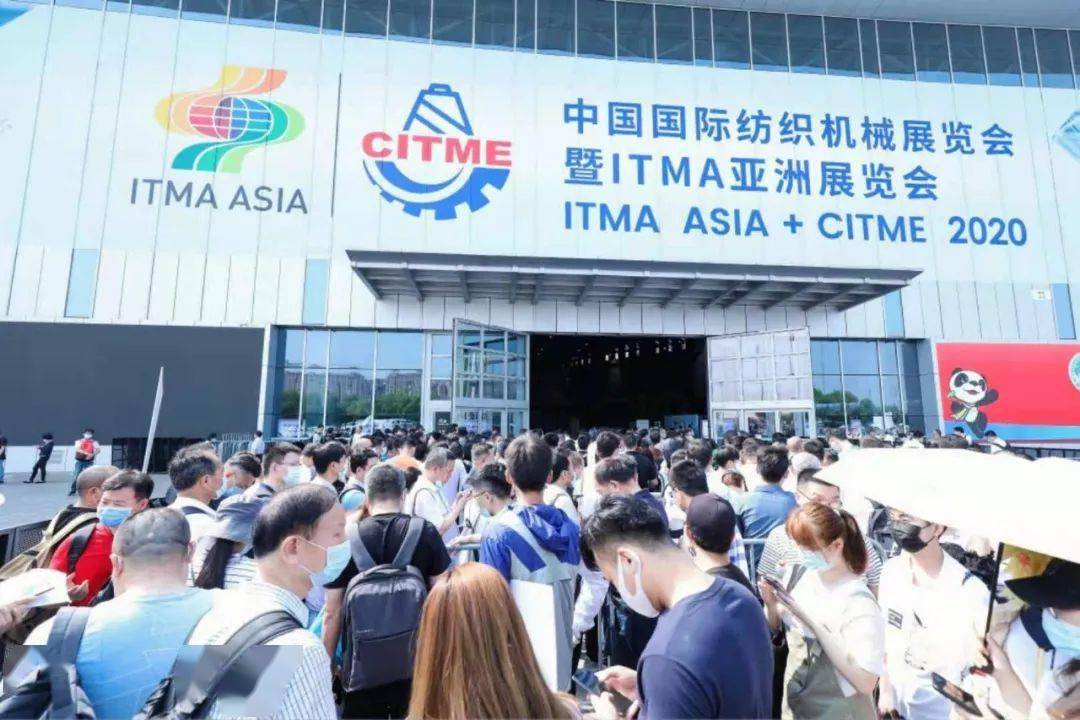
Shanghai Exhibition
Discover key takeaways from Shanghai Exhibition 2024, including emerging B2B trends, innovative technologies, and networking opportunities. Explore industry advancements now.
View More
 ×
×
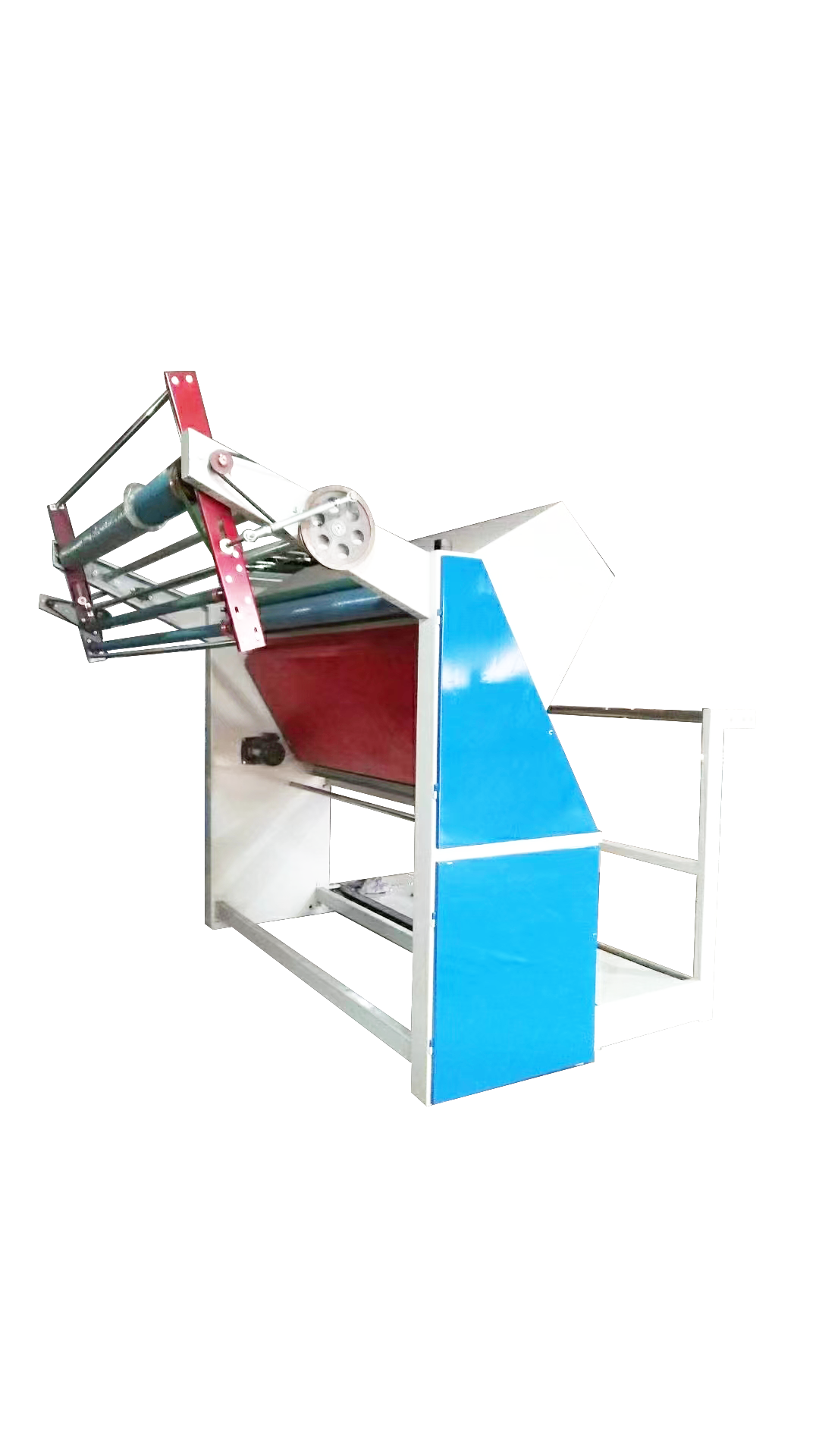
Modern fabric inspection technology has transcended the scope of traditional textile mills, becoming a core component across multiple critical manufacturing domains—from quality control and cost management to brand protection. Our automated inspection systems are designed to meet the stringent demands of diverse industries, offering exceptionally broad application prospects.
In woven and knitted textile manufacturing, the system enables real-time defect detection for fabrics such as cotton, polyester, wool, silk, and their blends. It automatically identifies and classifies common flaws including thick yarns, broken threads, holes, stains, and color variations. Simultaneously, it precisely grades fabric rolls based on defect density, optimizing cutting layouts during material preparation and significantly reducing material waste at the source.
In the high-value sector of industrial textiles and nonwoven production, the system ensures the integrity and reliability of functional materials. For instance, in geotextile production, it detects uniformity to prevent compromising strength and filtration performance in civil engineering projects. In coated fabrics, it precisely identifies pinholes, uneven coatings, or contaminants on materials for products like awnings and protective covers. Within nonwovens, it effectively detects thin spots, pulp clumps, or contaminants in materials used for sanitary products, medical fabrics, and filtration materials.
For high-precision composite manufacturing, the system's meticulous inspection is crucial for guaranteeing product structural integrity. It rigorously inspects carbon fiber and glass fiber fabrics to detect issues like broken filaments or misalignments that could create weak points in aerospace, automotive, and wind turbine components. It also ensures precise weave density and fiber orientation to meet extreme performance demands.
Furthermore, during lamination and coating processes, the system provides quality assurance for multi-layer material structures. It detects delamination, bubbles, or contamination in waterproof apparel, medical mattresses, and automotive interior materials, while also validating print quality to identify defects like stains or color bleeding before shipment.
03
Sep
03
Sep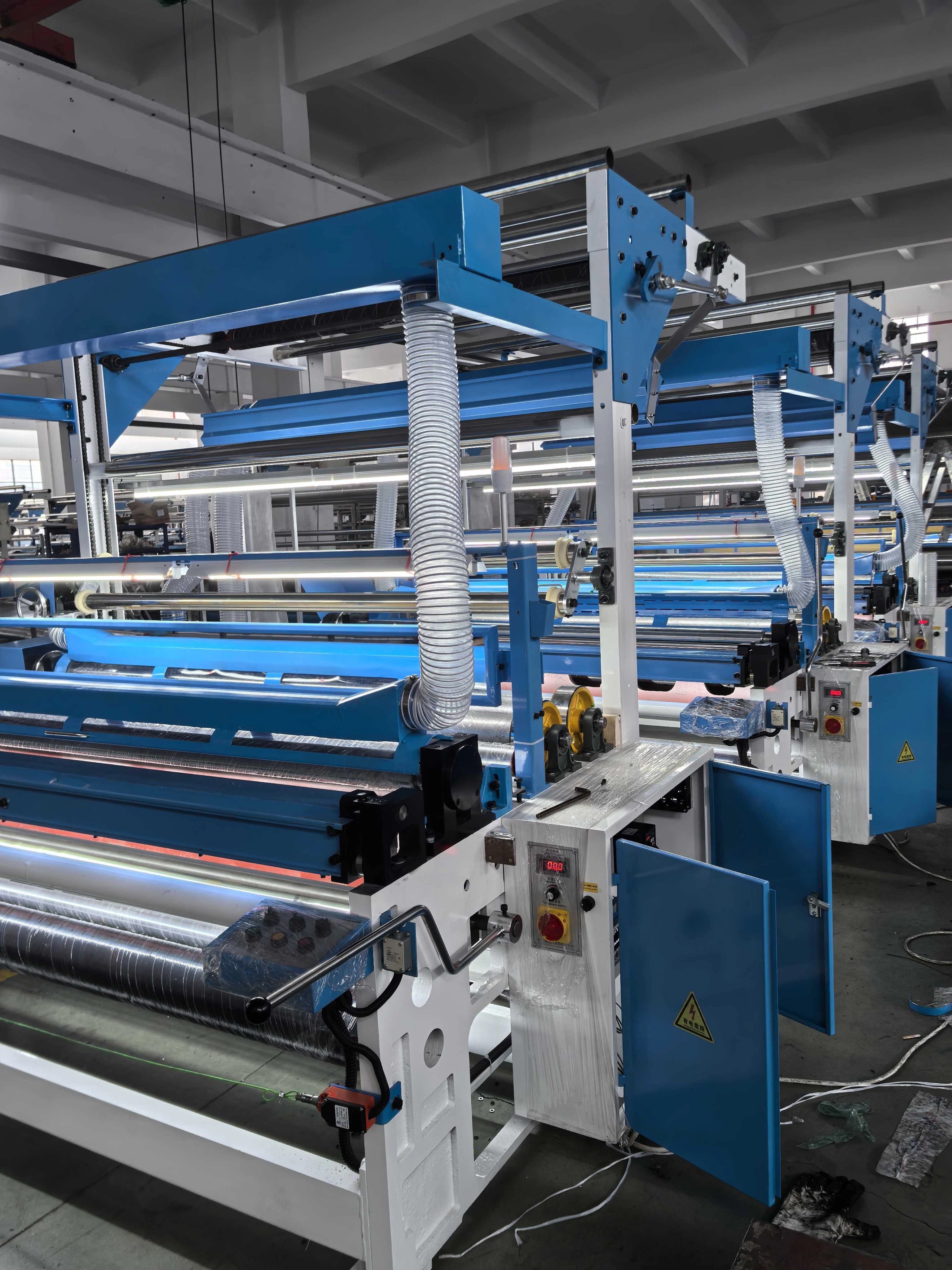
02
Nov
02
Nov
“Simple operation, quick employee onboarding”

“One of the fastest investments to recoup your costs, with a significant reduction in customer complaints.”