 EN
EN



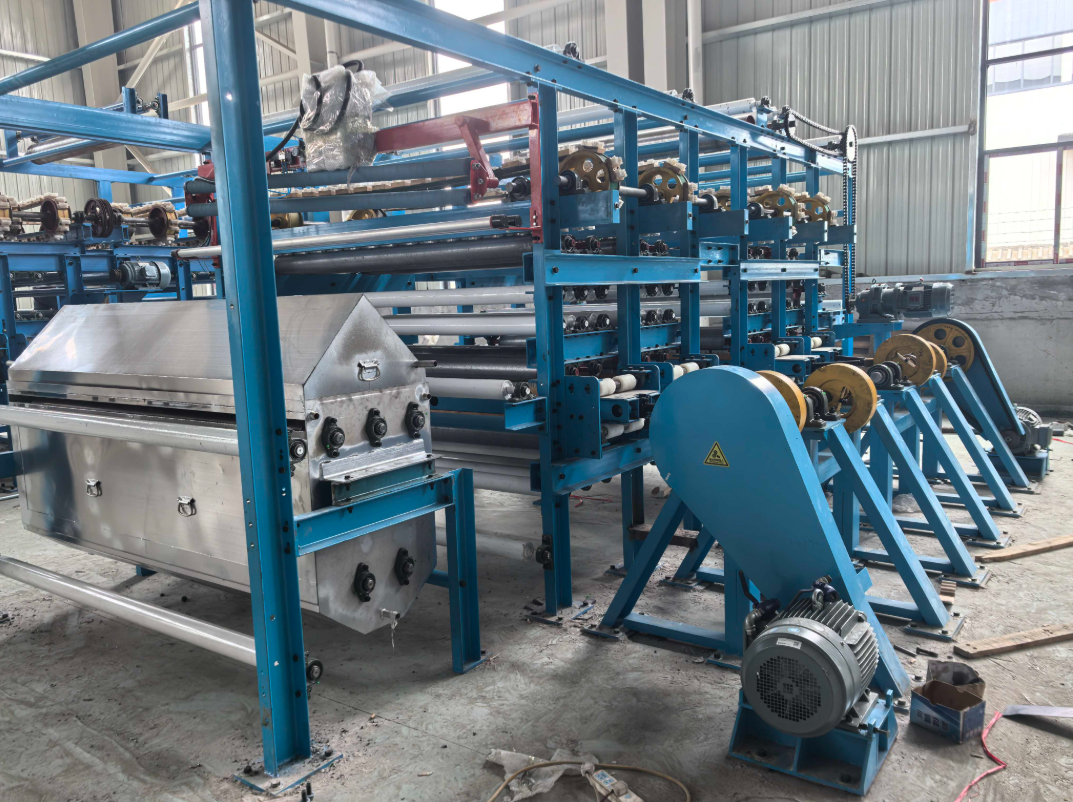
The Precision Challenge in Fabric Finishing
Textile brushing is one of those finishing processes that looks simple until you try to do it consistently. The basic idea is straightforward: use rotating brushes to raise a soft nap on fabric surfaces, enhancing softness, warmth, and texture. But achieving that perfect, uniform finish across thousands of meters of fabric, especially when dealing with delicate materials like wool or fine knits, is a different story. Traditional brushing machines rely heavily on the operator’s judgment to adjust brush pressure, speed, and fabric tension. This manual approach leaves too much room for variation. One batch comes out beautifully plush; the next, run by a different operator or even the same operator on a different day, might show uneven napping or, worse, fabric damage. This unpredictability is a major problem for textile mills aiming for consistent quality and minimal waste. Digital control systems have fundamentally changed this dynamic, bringing a level of precision and repeatability that was previously unattainable.
How Digital Controls Transform the Brushing Process
The shift from analog to digital control in brushing machines is akin to the difference between driving a car with a manual choke and one with a modern engine management system. In a digitally controlled brushing machine, sensors continuously monitor critical parameters like brush roll speed, fabric feed rate, and applied pressure. This data is fed back to a central processing unit, which makes instantaneous adjustments to maintain the set parameters. The result is that the fabric is brushed with exactly the same intensity from the first meter to the last. For the operator, the primary task shifts from making constant physical adjustments to monitoring the digital interface and programming the machine for specific fabric types. The system takes care of the precision. A notable benefit is that a single machine can be programmed with different recipes for a wide variety of fabrics. The next time you run the same fabric, you recall the stored program and achieve the exact same result. This brings a new level of consistency to production.
Experience: Solving a Critical Order with Digital Precision
A good example of the practical value of this technology comes from a denim finishing plant we visited in Bangladesh. They were processing a heavy, slubby denim fabric that was notoriously difficult to brush evenly. The dense yarn structure required consistent, high-pressure brushing to lift the nap, but if the pressure varied even slightly, the result was either an uneven finish or the creation of thin spots in the fabric. With their old analog machine, the rejection rate on this fabric was over 12%. The plant invested in a new brushing machine with an integrated digital control system. The engineering team programmed a specific pressure curve that automatically adjusted for the fabric's varying thickness. The result was immediate. The rejection rate fell to just 2%, and the plant was able to take on premium denim orders that required a uniform, vintage-style brushed finish. This upgrade gave them a competitive edge in a crowded market.
The Link Between Control and Fabric Quality
The precision offered by digital controls directly affects the intrinsic qualities of the finished fabric. For instance, the soft, fuzzy hand feel of brushed cotton or the plush surface of a high-quality flannel is a direct result of consistent, controlled fiber lifting. A study on fabric brushing noted that the world's highest quality flannel was produced using a machine designed for a more homogeneous, efficient raising effect, underscoring that machine precision is directly correlated with fabric quality. Digital controls also prevent over-brushing, which can weaken the fabric and lead to pilling. By precisely regulating brush pressure and the number of passes, the machine ensures that the fibers are lifted to the perfect height without compromising the material's structural integrity. This level of control is not just about aesthetics; it is about ensuring the fabric meets the performance standards required for end-use applications, from durable workwear to delicate luxury apparel.
Intelligent Integration and Operator Empowerment
A key aspect of modern digital control systems is their ability to integrate with broader factory management systems. This allows for remote monitoring of machine performance, including downtime, production speed, and energy consumption. Such data is invaluable for production planning and for identifying potential issues before they cause a breakdown. From the operator's perspective, an intuitive interface makes complex machinery more accessible. Training new operators on a digitally controlled brushing machine is faster, and the machine is less dependent on the operator’s individual skill level to produce a high-quality output. This reduces a mill's vulnerability to labor turnover. Integration with intelligent control systems for easier operation and monitoring is becoming a standard expectation in the textile industry, as it directly contributes to lower costs and higher productivity.
A Final Word on Technology and Partnership
For textile manufacturers looking to upgrade their finishing capabilities, the decision to invest in a machine with advanced digital controls is a strategic one. It is an investment in consistency, quality, and efficiency. The technology reduces waste, lowers labor costs, and enables a mill to confidently compete for higher-value orders that demand precise, repeatable finishes. Selecting a supplier that understands these requirements is crucial. Changzhou Shneiter has over a decade of experience in manufacturing textile finishing machines. Their horizontal and vertical brushing machines are designed with a focus on stable performance and can be integrated with intelligent control systems, supporting users in achieving superior results while reducing operational costs. For a mill serious about quality, a partnership with a manufacturer that brings both engineering expertise and robust after-sales support makes a significant difference in long-term success.