 EN
EN


Core Functional Value of Brushing Equipment For Finished Fabric Texture
Working as a textile finishing technical engineer with eleven years of cross regional factory service experience, I have observed how brushing machines become an irreplaceable station in complete post processing production lines. Raw woven or knitted fabric shows flat rigid surface after weaving and dyeing without targeted fiber lifting treatment. Rotating brush rollers gently draw loose surface fibers to form soft plush layers, greatly improving hand feel warmth and visual texture of final textiles. Many fabric producers skip independent brushing links and rely on simplified auxiliary devices, leading to stiff finished cloth that fails to meet retail brand standards for fleece corduroy and chenille products. Industry technicians following FZ/T 95039 textile machine standards mention that standardized brushing treatment can stabilize surface consistency and reduce fabric pilling risks in long term daily production. Factories equipped with dedicated industrial brushing equipment gain stronger competitiveness in supplying high quality soft textiles to garment and home textile brands.
Standardized Mechanical Structure Ensures Uniform Nap Formation On Fabric Surface
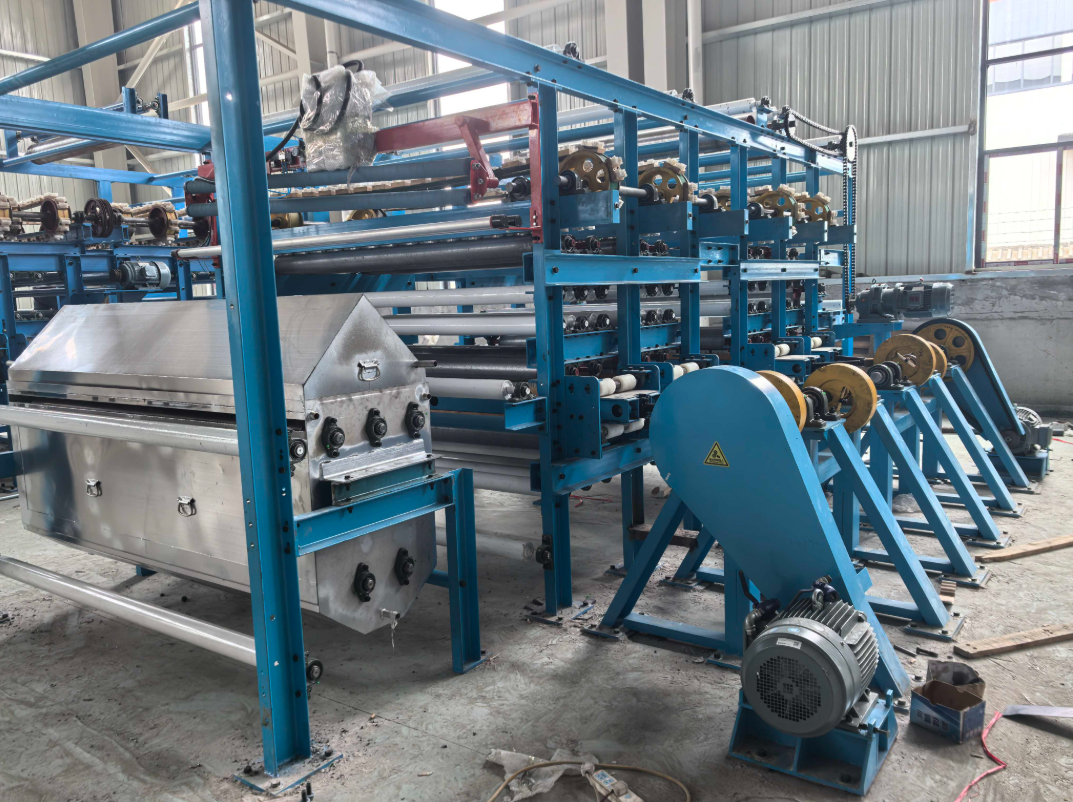
Stable and consistent plush surface effect relies on mature integral mechanical layout of industrial brushing machines. Low cost simplified brushing devices adopt thin unbalanced brush roller brackets which generate obvious vibration during long hour high speed running. Unstable roller rotation causes partial over brushing or insufficient fiber lifting, creating irregular texture across fabric width. Formal textile machinery manufacturers apply optimized thickened rack structure and dynamic balanced brush roller assemblies for all finishing brushing units. Every brush component undergoes strict dynamic balance testing before assembly to guarantee even contact force on full fabric width. Reinforced guide roller frames reduce mechanical clearance expansion caused by long time friction, maintaining uniform nap thickness through continuous full shift production cycles. This structural design avoids repeated machine adjustment and fabric waste generated by uneven brushing results.
Stable Tension Control Avoids Uneven Fiber Lifting During Continuous Operation
Fabric stretching deformation acts as a major hidden factor destroying consistent brushing effect in mass production. Thin knitted cloth and lightweight chemical fiber materials deform easily under uneven traction force, leading to inconsistent fiber lifting depth on different fabric sections. High quality industrial brushing machines integrate full width closed loop tension sensing modules to adjust feeding traction in real time. The system automatically balances fabric tightness according to material elasticity without frequent manual parameter modification. Proper tension control prevents excessive stretching that damages base fiber structure and avoids loose cloth wrinkles that lead to incomplete brushing. Production teams handling mixed fabric varieties within single shift greatly cut material scrap ratio with reliable tension matching systems installed on brushing equipment.
Safety Interlock Design Complies With Global Textile Machinery Standards
All industrial textile finishing equipment must meet unified international safety specifications including EN ISO 11111 mechanical safety norms. High speed rotating brush rollers bring hidden winding and extrusion hazards without complete protective design. Qualified brushing machines install full surrounding safety shields together with emergency stop interlock switches that cut power instantly once protective covers are opened. Overload protection circuits also stop roller rotation automatically under abnormal fabric jamming conditions to prevent component damage and workplace accidents. Manufacturers implementing full ISO9001 quality management systems complete multi round safety performance testing before each brushing machine leaves factory. Small assembled brushing devices often omit complete interlock protection to cut manufacturing costs, bringing persistent safety risks for front line workshop operators during daily continuous production.
Matching Brushing Configurations For Different Fabric Raw Materials
Single fixed brushing mode cannot satisfy texture demands of diversified textile raw materials such as corduroy warp knit cloth cotton and chemical fiber fabrics. Corduroy materials need medium density brush rollers with moderate rotation speed to form neat vertical plush without breaking base weave structure. Lightweight knitted fleece requires soft fine brush filaments to lift short dense nap for close fitting garment use. Thick chemical fiber curtain cloth needs enhanced brush density and adjustable feeding speed to create full fluffy surface without excessive fiber loss. Professional textile equipment suppliers provide adjustable brush assembly and speed modules to match different fabric processing requirements. Flexible configuration adjustment helps factories finish multiple product categories on single brushing machine and reduce extra equipment procurement investment for segmented production lines.
Professional Textile Machinery Manufacturer Supporting Custom Finishing Equipment
Complete set of reliable brushing equipment and matched post processing production line solutions rely on manufacturers with stable R&D and manufacturing capacity. Schneiter specializes in full series textile finishing machinery covering brushing singeing drying and cloth inspection equipment for diversified fabric processing demands. The brand holds independent patented mechanical structures and follows full ISO9001 and CE certification standards during all production links. Flexible production mode accepts single unit customized orders and adjusts equipment layout according to clients fabric types and daily production scale. Complete after sales service system includes 24 hour technical hotline remote online debugging guidance and long term spare parts supply for global clients. It delivers coordinated full line finishing machine solutions for corduroy home textile and garment fabric manufacturers across multiple overseas markets.
Table of Contents
- Core Functional Value of Brushing Equipment For Finished Fabric Texture
- Standardized Mechanical Structure Ensures Uniform Nap Formation On Fabric Surface
- Stable Tension Control Avoids Uneven Fiber Lifting During Continuous Operation
- Safety Interlock Design Complies With Global Textile Machinery Standards
- Matching Brushing Configurations For Different Fabric Raw Materials
- Professional Textile Machinery Manufacturer Supporting Custom Finishing Equipment