 EN
EN



The Pursuit of Tactile Excellence
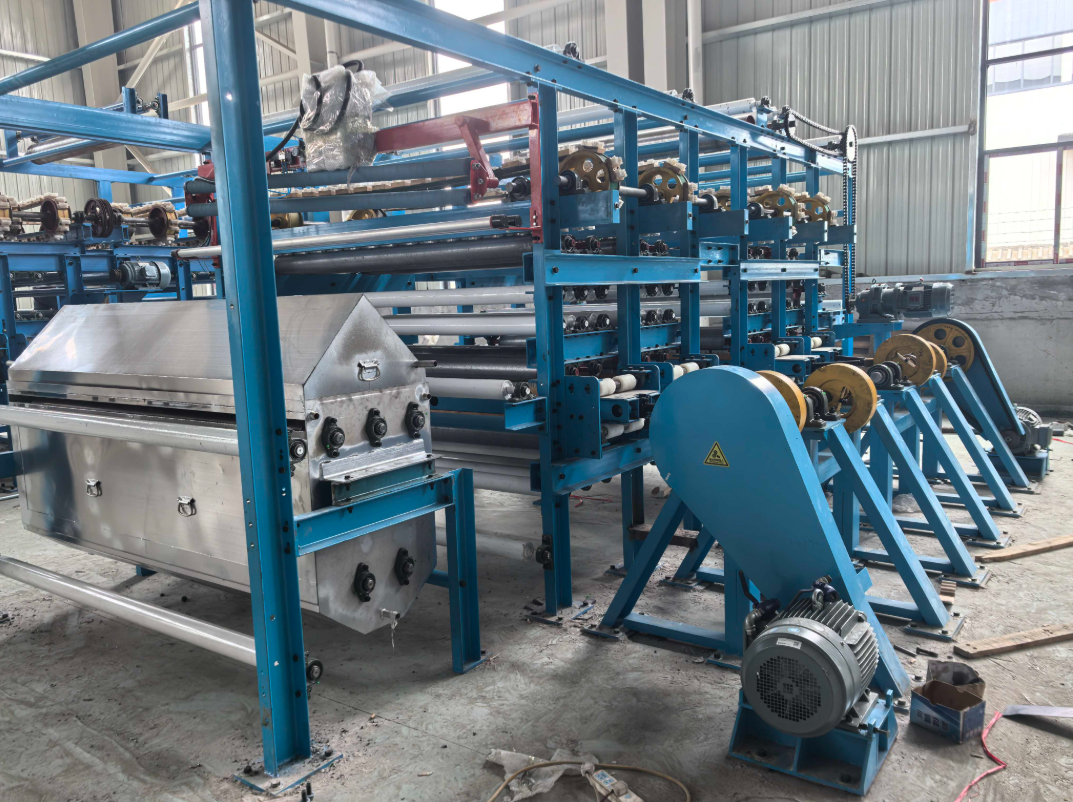
In premium apparel, the touch of the fabric defines the product just as much as its appearance. High-end garment buyers do not just look at a jacket or a shirt—they feel it. That soft, warm, almost velvety hand feel that distinguishes luxury fabrics from standard textiles is rarely a natural property of the base material. It is created in finishing, and the primary tool for creating it is the brushing machine. Technically known as raising or napping, brushing is a mechanical finishing process that uses rotating wire-covered cylinders to pull fiber ends from the yarn structure to the fabric surface . This controlled abrasion transforms a flat, hard cloth into one with volume, plushness, and a gentle surface. For garment makers who compete on quality, the ability to produce this effect consistently and efficiently is not an option; it is a competitive necessity.
Transforming Hand Feel and Performance
The difference a brushing machine makes is instantly recognizable. As the fabric passes through the machine, a bank of rotating brushes works the surface, lifting fine fibers to create a short, dense nap . This layer of raised fibers changes the fabric in several key ways. First, it dramatically improves softness and draping quality, making the material more comfortable against the skin. Second, the nap traps a layer of air, increasing the fabric's warmth without adding significant weight, a critical property for premium autumn and winter apparel . For manufacturers, the technical challenge is precision. The process is delicate because it can reduce fabric strength if not carefully controlled . Experienced textile finishers know that the optimal result depends on balancing machine speed, brush pressure, and the number of passes. This is where modern, well-engineered brushing equipment proves its value, offering the control needed to enhance softness while preserving the fabric's core integrity.
Case Study: Meeting the Challenge of a Lightweight Wool Order
The practical impact of a reliable brushing machine becomes clear when looking at real production challenges. One woolen mill we worked with in Southeast Asia was having trouble with their lightweight suiting fabric. The material, a fine wool blend, was emerging from their old brushing line with an inconsistent nap and unacceptably high breakage rates. The issue was that their existing machine could not deliver the precise, even pressure needed for such a delicate substrate. The result was a 15% rejection rate on a high-value order. They upgraded to a modern brushing machine from a specialized manufacturer with adjustable brush pressure and variable speed controls. The result was immediate. The machine achieved a uniform, soft nap on the first pass, and the rejection rate dropped to below 3% . The mill was able to fulfill the order, maintain its relationship with the luxury brand, and improve its bottom line by reducing material waste. That experience is a powerful example of how targeted finishing technology directly supports high-end production.
Why Brushing Is Critical for Specific High-End Textiles
The value of the brushing process is particularly evident in the production of certain premium textiles. Corduroy, for instance, is defined by its raised, velvety ridges. These are created by first weaving a base fabric with extra warp threads to form a pile, then cutting the pile to create a loop, and finally using a brushing machine to open and separate the fibers, forming the characteristic cord . Similarly, brushed cotton and wool fabrics rely on the process to create their signature fuzzy, soft hand feel, a quality highly prized in luxury loungewear and high-end flannel shirts. A study on fabric brushing noted that the highest quality flannel in the world was produced using a machine designed for a more homogeneous, efficient raising effect, demonstrating that machine precision is directly correlated with fabric quality . Without the precise, controlled action of a high-quality brushing machine, achieving these distinctive finishes at scale is impossible.
Choosing a Machine for Consistent Quality and Output
For the finishing plant, the right brushing machine is an essential tool for controlling quality and maximizing output. Key technical features to evaluate include the machine's ability to maintain consistent tension, the precision of its brush pressure controls, and its capacity for handling different fabric types without lengthy setup times. Machines designed with automation and superior engineering can achieve a perfect finish in a single pass, drastically reducing labor costs and energy consumption compared to older designs that might require two or more passes . This efficiency is the foundation of profitable production. Ultimately, investing in a robust, precise brushing machine allows a textile mill to confidently take on high-value, complex orders, knowing it can deliver the required quality and build a reputation as a reliable partner in the premium apparel supply chain.
Building a Competitive Edge Through Finishing Technology
For textile manufacturers seeking to elevate their fabric quality to meet global high-end apparel standards, the equipment partner is as critical as the technology itself. Manufacturers like Changzhou Shneiter Textile Equipment Co., Ltd. bring over a decade of specialized experience to the market, with a dedicated focus on the research, development, and manufacturing of textile finishing machinery. Their product portfolio includes essential equipment like horizontal and vertical brushing machines, engineered to deliver the consistent, high-quality results that premium apparel brands demand . With a complete quality management system and a strong commitment to after-sales service, such partners provide not just machines, but complete solutions tailored to help clients optimize their production and reduce operating costs. By integrating advanced features and energy-saving designs, these manufacturers support their customers in achieving superior performance and long-term operational success. For the modern textile mill, partnering with an experienced manufacturer like Changzhou Shneiter is a strategic step toward securing a competitive position in the global market for luxury and high-end fabrics.
Table of Contents
- The Pursuit of Tactile Excellence
- Transforming Hand Feel and Performance
- Case Study: Meeting the Challenge of a Lightweight Wool Order
- Why Brushing Is Critical for Specific High-End Textiles
- Choosing a Machine for Consistent Quality and Output
- Building a Competitive Edge Through Finishing Technology