EN
EN


Shanghai Exhibition
Discover key takeaways from Shanghai Exhibition 2024, including emerging B2B trends, innovative technologies, and networking opportunities. Explore industry advancements now.
View More
 ×
×
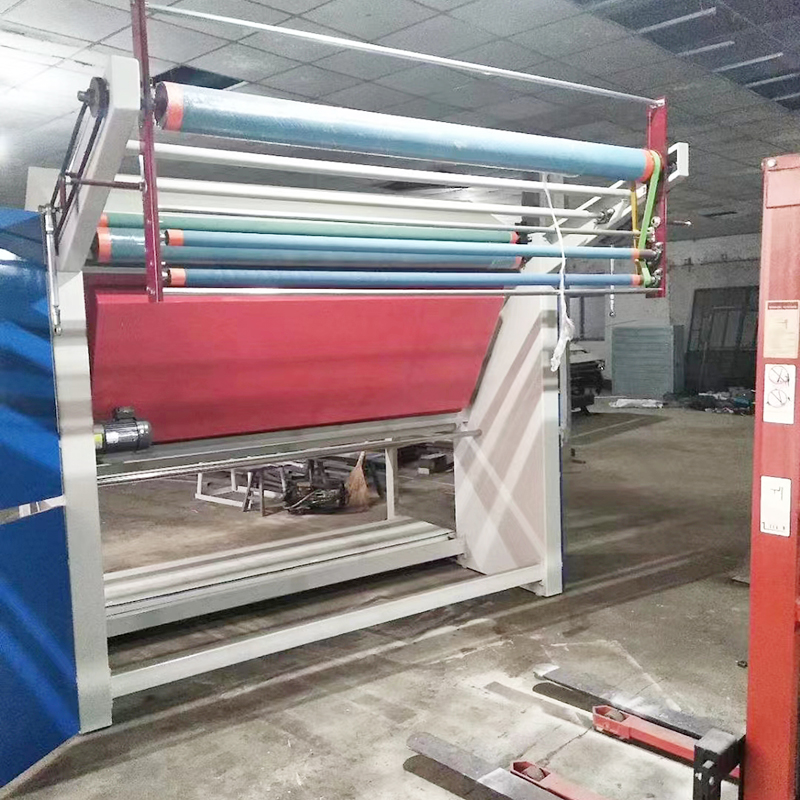
In traditional textile sectors such as woven and knitted fabrics for apparel and home textiles, this equipment resolves the core conflict between high production volumes and human fatigue-induced inspection oversights. It performs 100% full inspection of fabric rolls, automatically identifying and precisely locating various weaving and dyeing defects. This significantly reduces final product return rates, safeguarding brand reputation. Furthermore, it enables objective, consistent automated quality grading of fabrics based on defect quantity and severity. This optimizes pricing and maximizes the output value per roll, achieving a leap from “inspection” to “intelligent management.”
In the highly demanding industrial textiles sector, its application holds critical “mission-critical” significance. For instance, in high-strength fabrics for automotive airbags and seatbelts, even a minute flaw could lead to catastrophic consequences. This equipment detects such “micro-defects,” becoming a vital link in safeguarding lives and meeting stringent industry certifications. Similarly, in textiles like surgical gowns and implants, its precise identification of micro-pores and contaminants is central to maintaining sterile barriers and ensuring patient safety.
Moreover, in nonwoven production—such as geotextiles for civil engineering—the equipment's reliability directly impacts the success of infrastructure projects. It effectively detects hidden risks like uneven fiber web formation or thickness variations, preventing costly engineering failures. In infant diapers and hygiene products, ensuring uniformity in absorbent cores and surface layers directly influences comfort, leak prevention, and consumer trust.
Looking ahead, fabric inspection machines are evolving from “quality guardians” to “data engines.” Their integration with IoT and Industry 4.0 frameworks positions them as cornerstones for building smart factories. By feeding real-time quality data into manufacturing execution systems, they provide decision support for end-to-end process optimization. Through deep analysis of defect data, predictive maintenance can even be implemented before critical issues arise in upstream processes like weaving and dyeing, enabling a fundamental shift from “post-event inspection” to “pre-emptive prevention.”
03
Sep
03
Sep
02
Nov
02
Nov
“Simple operation, quick employee onboarding”

“One of the fastest investments to recoup your costs, with a significant reduction in customer complaints.”