EN
EN


Shanghai Exhibition
Discover key takeaways from Shanghai Exhibition 2024, including emerging B2B trends, innovative technologies, and networking opportunities. Explore industry advancements now.
View More
 ×
×
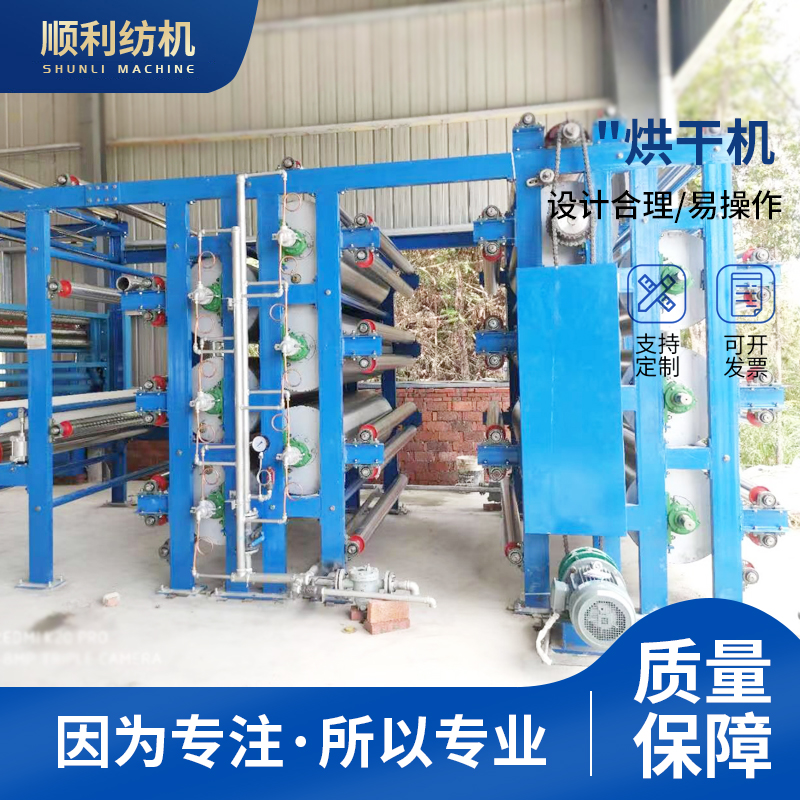
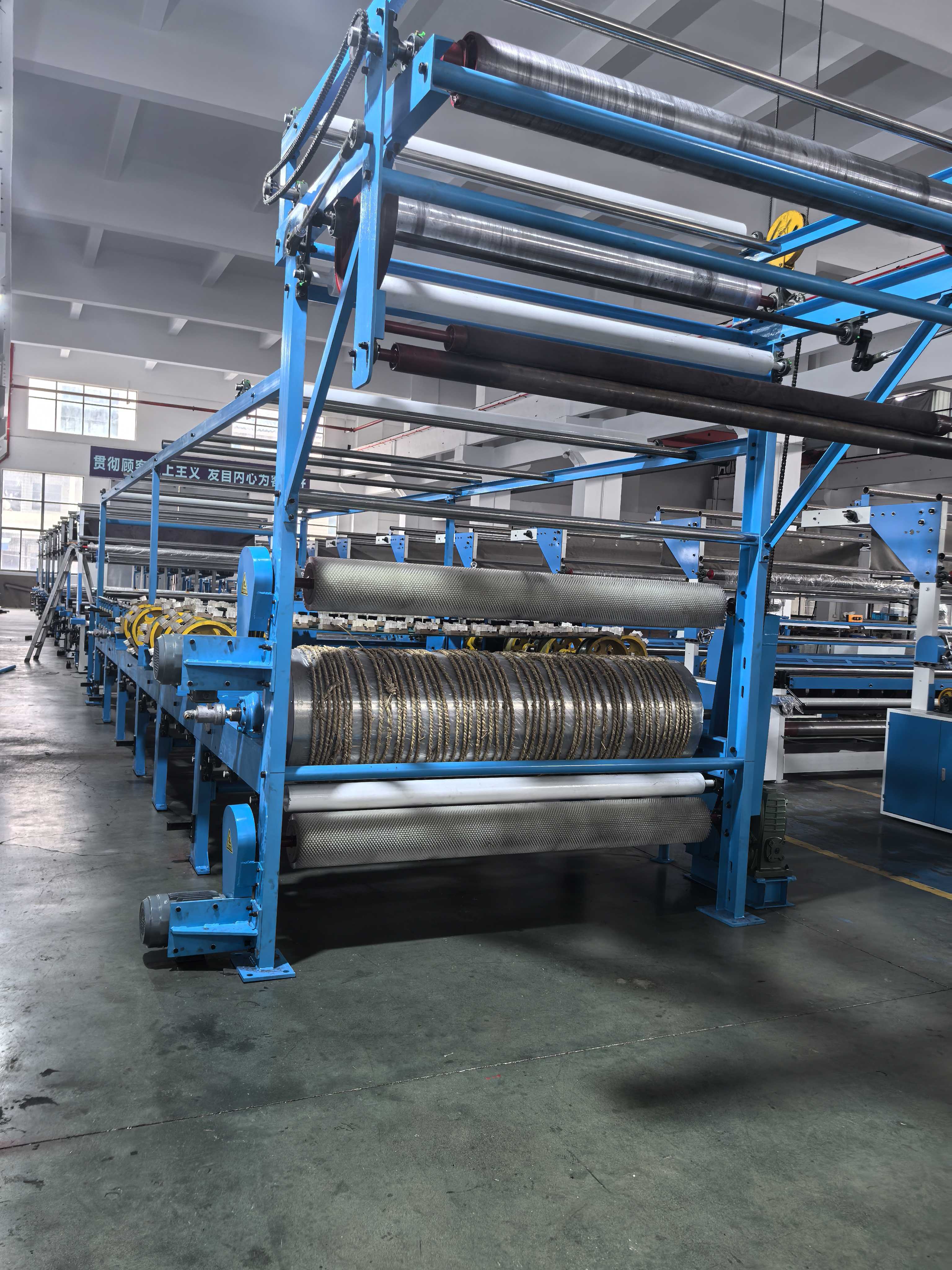
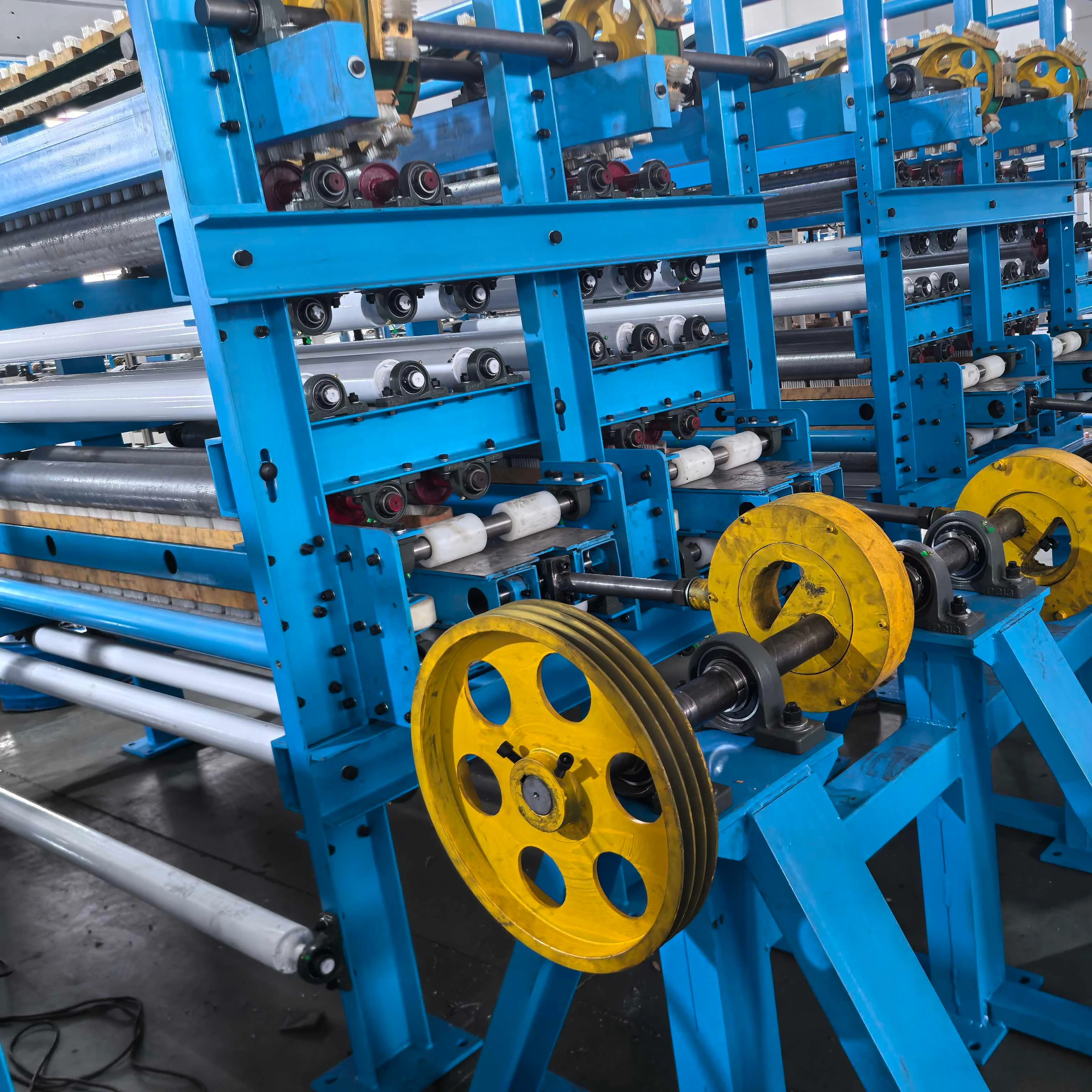
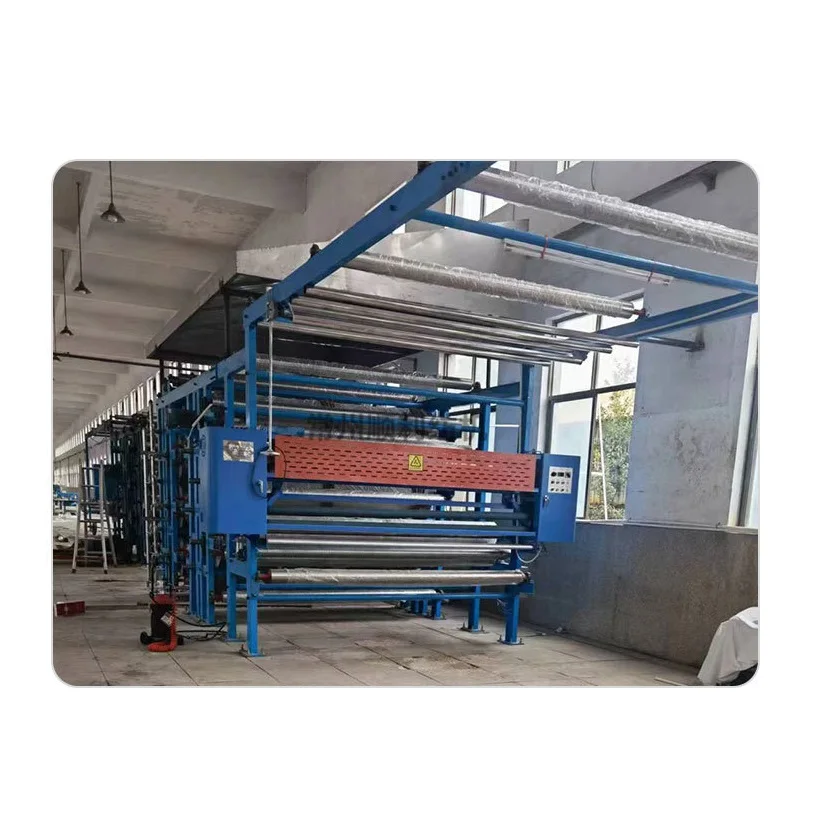
The application prospects for fabric finishing machines are expanding at an unprecedented pace, driven by the global market's growing demand for high-performance, multifunctional, and sustainable textiles. This trend transforms fabric finishing from merely the final production stage into a core engine propelling innovation in textile value-added products and industrial upgrading.
Within the most promising growth sectors, technical textiles and smart textiles represent the future frontier. From automotive interiors and airbags requiring stringent flame-retardant and abrasion-resistant properties, to medical protective garments and implants demanding sterility and specific barrier functions, to reinforced geotextiles used in civil engineering—modern fabric finishing machines are pivotal in achieving these specialized capabilities. Simultaneously, the proliferation of wearable devices has created significant opportunities for equipment manufacturers, driven by the demand for intelligent finishing such as conductive and sensor integration in fabrics.
The traditional apparel and fashion industry is also undergoing profound transformation, directly driving demand for advanced finishing technologies. Precision finishing equipment is indispensable for: moisture management and antimicrobial properties in high-performance sportswear; laser engraving and eco-friendly rinsing processes for premium denim fabrics; and sustainable production methods—such as enzyme washing and ozone finishing—gaining traction across fashion to reduce water and chemical consumption.
Furthermore, the home decor and furniture fabrics market consistently demands higher durability, safety, and comfort. Whether it's flame-retardant finishing to meet stringent safety standards, stain-resistant treatments for easy cleaning, or enhancing the softness of towels and blankets through processes like napping and brushing, finishing technologies demonstrate extensive applications in home textiles. Similarly, the industrial fabrics sector—including industrial filtration, protective apparel, and awning fabrics—maintains stable, substantial demand for waterproofing, coating, and reinforcement finishes, forming a robust foundation for the market.
In summary, fabric finishing machine manufacturers are navigating an era brimming with opportunities—from elevating the functionality of everyday apparel to empowering innovations in high-tech textiles, and driving the global textile industry's transition toward sustainability and efficiency. Investing in advanced, flexible, and eco-friendly finishing technologies has become a strategic imperative for textile enterprises seeking to capitalize on these vast application prospects and secure competitive advantages in future markets.
03
Sep
03
Sep
02
Nov
02
Nov
"The equipment operates stably and reliably"

“Simple and easy to learn, teams can quickly master it.”