EN
EN


Here is some usual questions about our product
Confused about our product's features and benefits? Get clear, concise answers to the most common questions from industry experts. Explore now.
View More
 ×
×
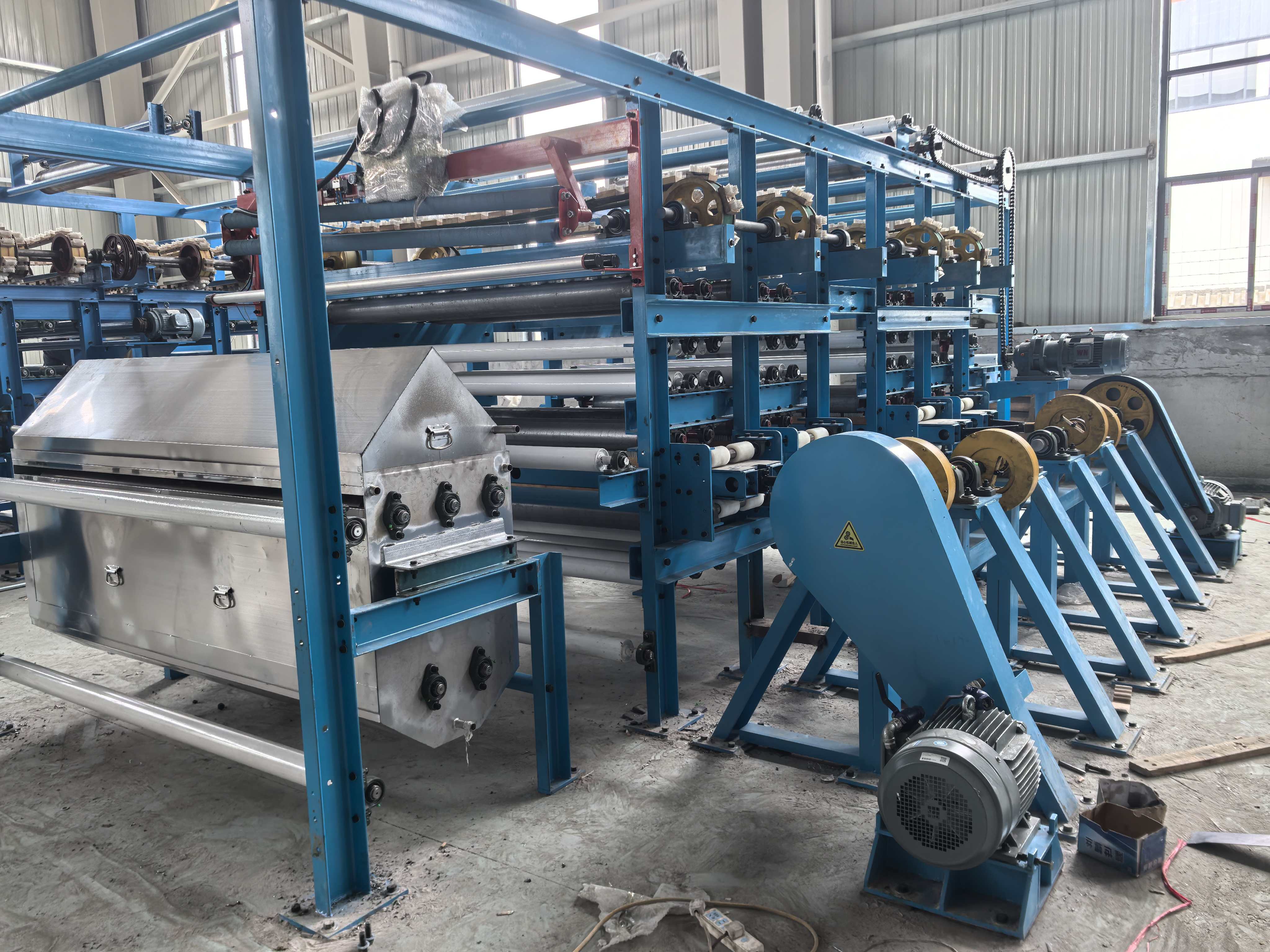
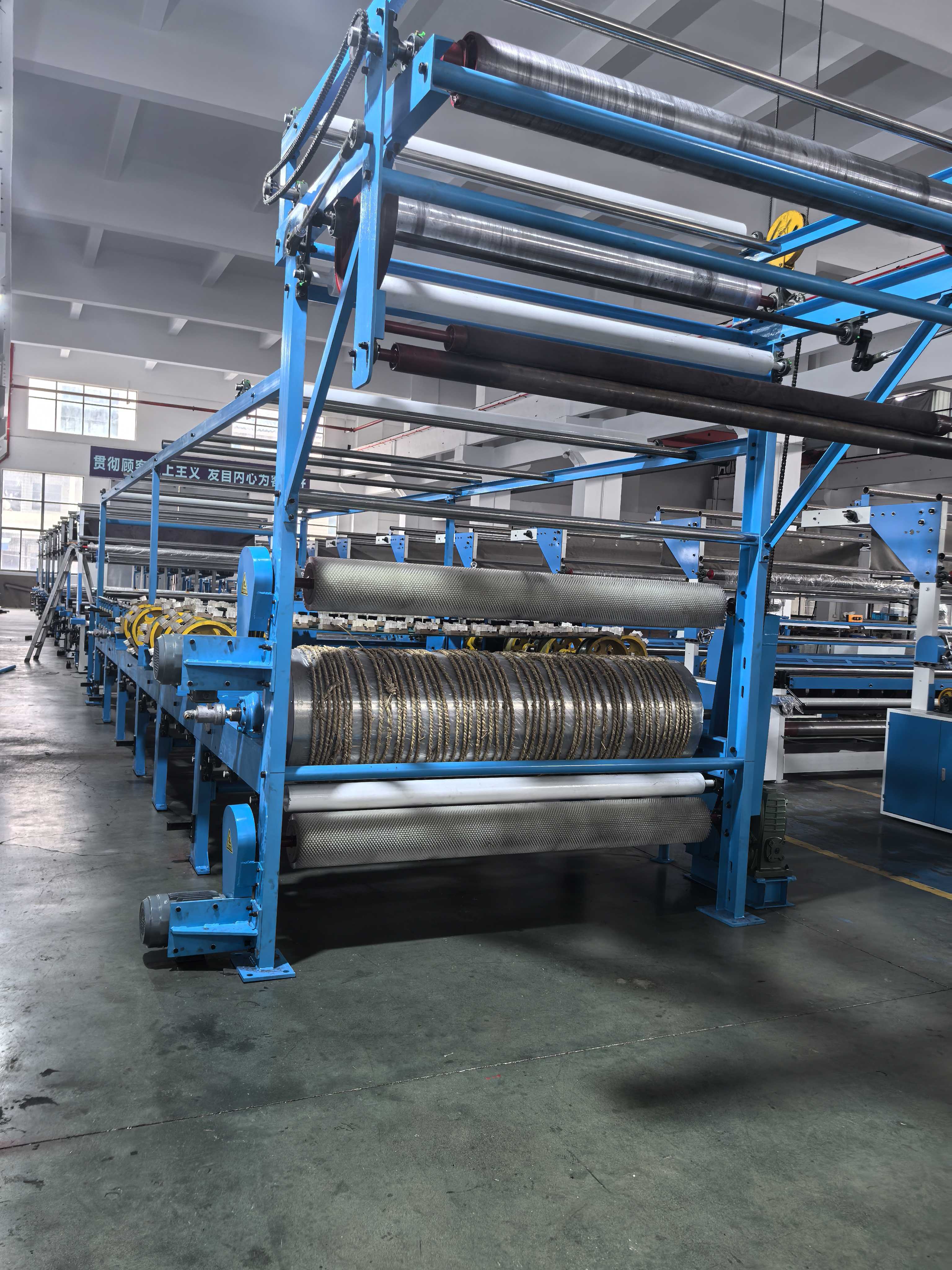
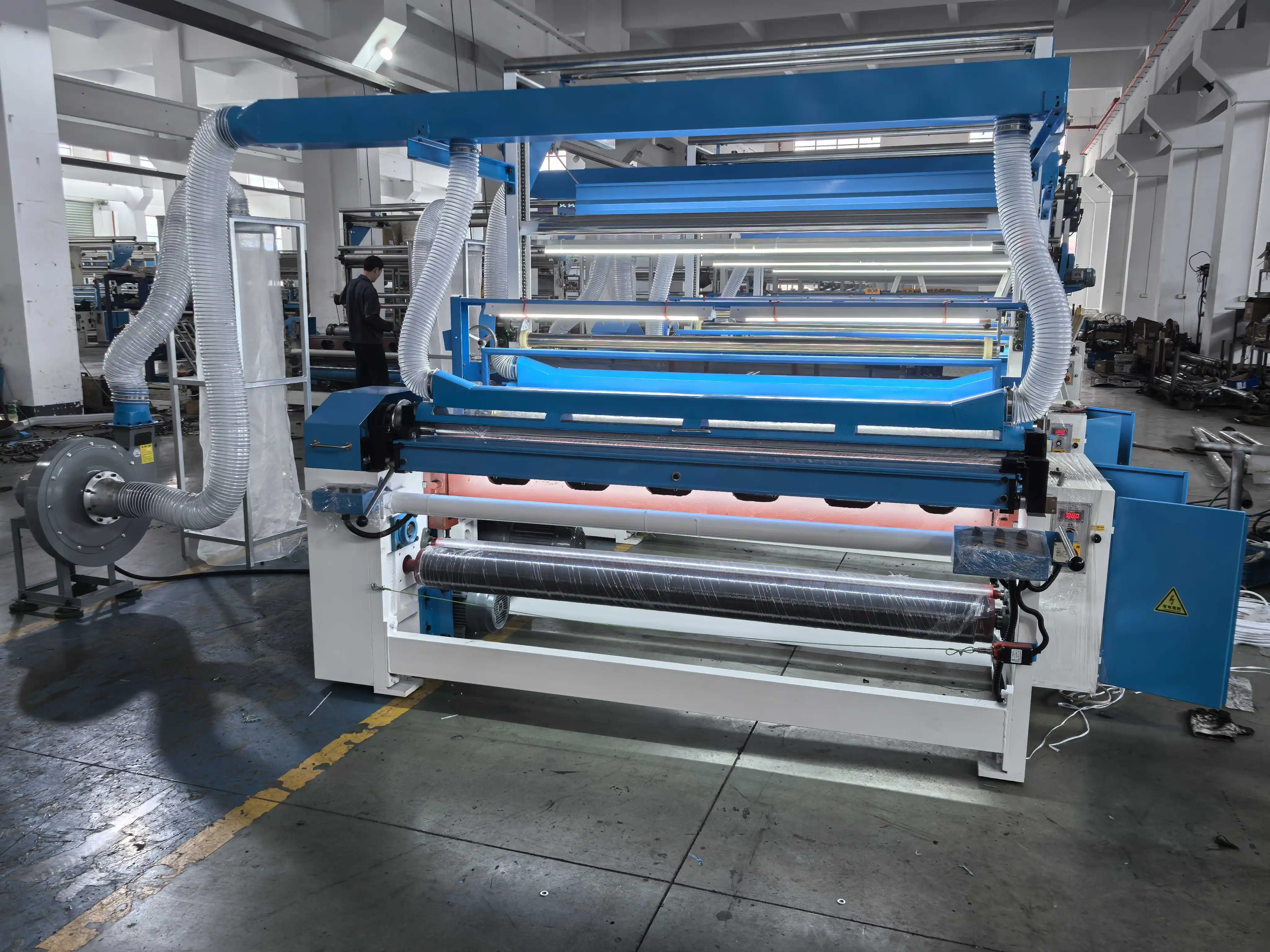
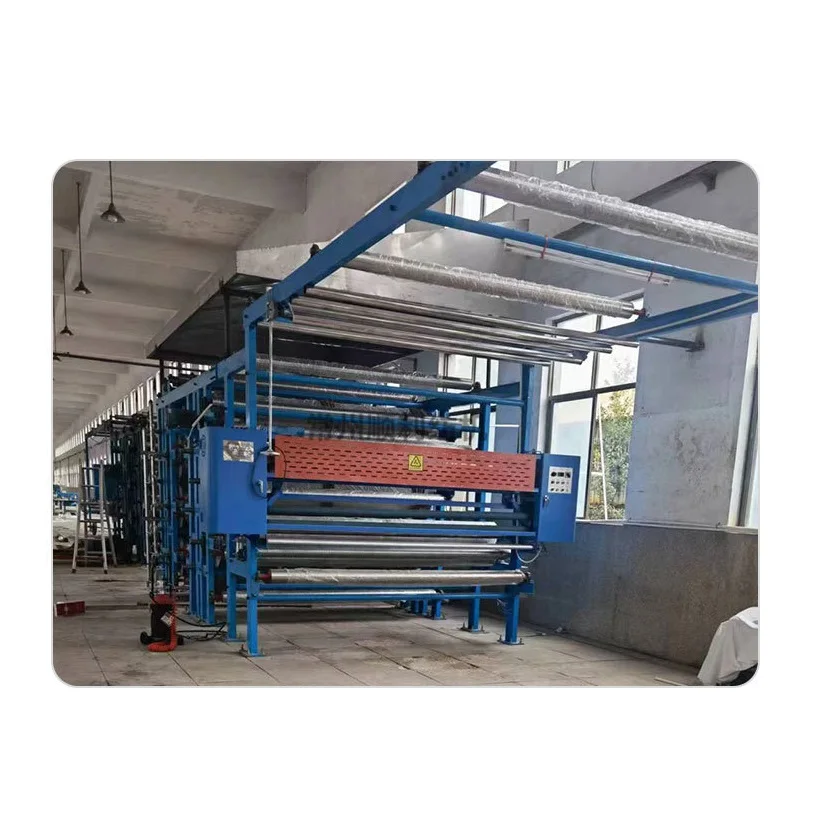
Fabric brushing machines are not merely a production process step; they represent a strategic investment capable of fundamentally transforming product value and unlocking new market opportunities. Their core technology involves combing fabric surfaces with precision steel wire rollers to raise a soft, voluminous pile, significantly enhancing comfort, warmth, and luxurious feel. Below, we detail the specific application prospects and commercial opportunities fabric brushing machines offer across various sectors.
In apparel and fashion, the pursuit of “ultimate softness” remains an enduring theme, and brushing technology is pivotal to achieving this goal. For activewear and casualwear manufacturers, brushing machines are indispensable for producing cloud-soft hoodies, fleece jackets, and sweatpants, transforming ordinary flannel or microfiber fabrics into high-value comfort products. In denim finishing, brushing the fabric's inner surface creates the trendy “distressed look” and ultra-soft lining, becoming a core selling point for premium jeans. Additionally, brushing technology is widely applied in knitwear and infant apparel, imparting a soft, delicate touch that directly meets consumers' highest demands for comfort and safety.
The home textile industry represents another promising application market for brushing technology. Brushing machines create thick, fluffy pile on blankets and quilts, defining their premium, warm, and luxurious quality. For upholstery and decorative fabrics like sofas and curtains, brushing significantly improves handfeel, enhances fabric loft and visual texture, elevating both comfort and perceived value. For towels and bathrobes, light brushing not only boosts absorbency but delivers spa-like softness, greatly enhancing user experience.
Beyond traditional apparel and home textiles, brushing machines demonstrate immense potential in technical textiles. For instance, in filter material manufacturing, raising a layer of pile on filter fabric surfaces through brushing effectively increases surface area and dust-holding capacity, thereby boosting filtration efficiency. In industrial wipe production, brushing makes fabrics fluffier and more liquid-absorbent. Furthermore, brushing is a critical step in producing high-quality synthetic leather and faux suede, creating realistic, soft pile surfaces. Even in automotive interiors, brushing technology is employed to improve the tactile feel and aesthetics of seat and headliner fabrics.

03
Sep
02
Nov
02
Nov
02
Nov
'The machine operates reliably with minimal maintenance required"

"Simple operation, significantly improved production efficiency"