EN
EN


Here is some usual questions about our product
Confused about our product's features and benefits? Get clear, concise answers to the most common questions from industry experts. Explore now.
View More
 ×
×
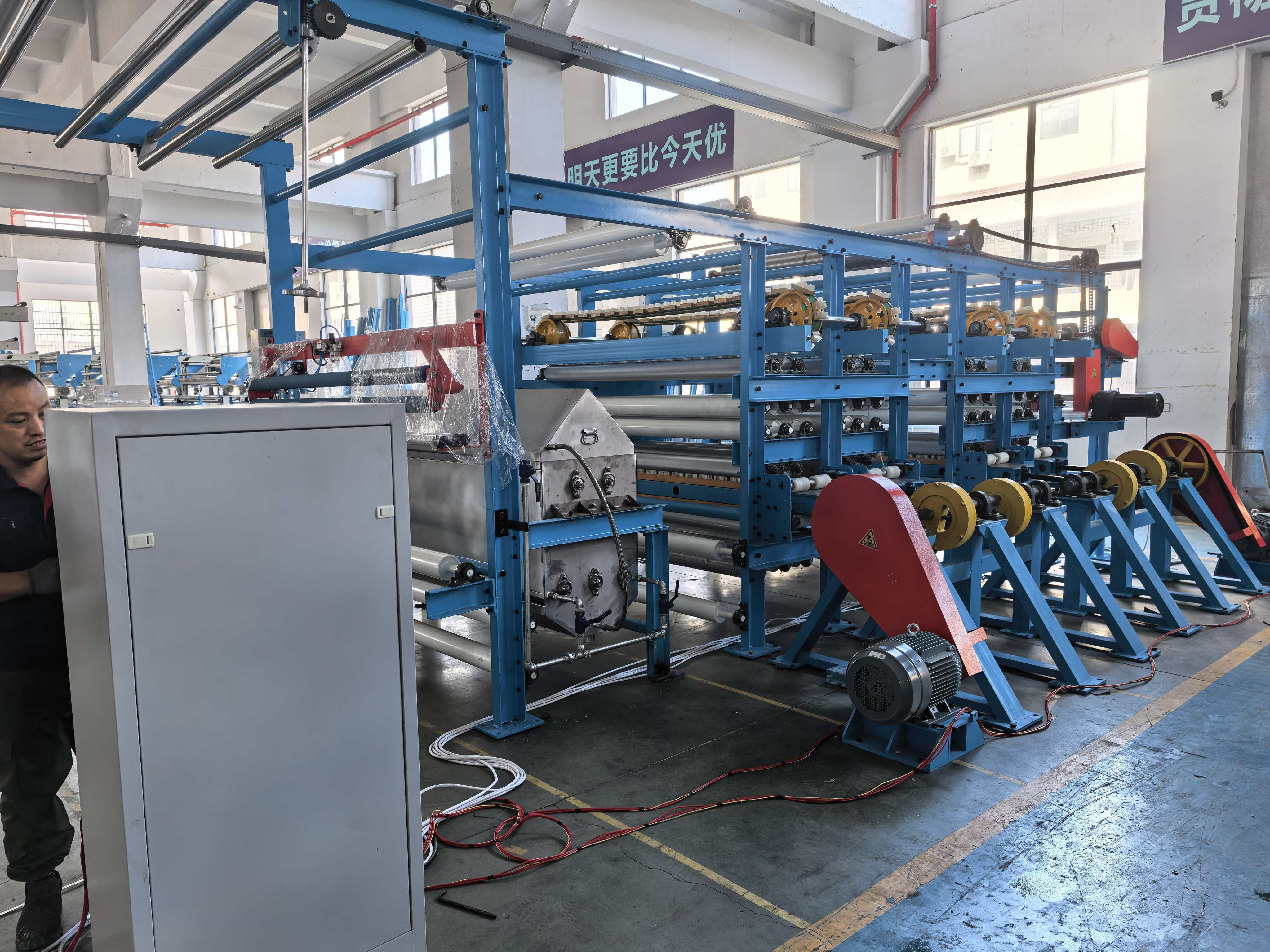
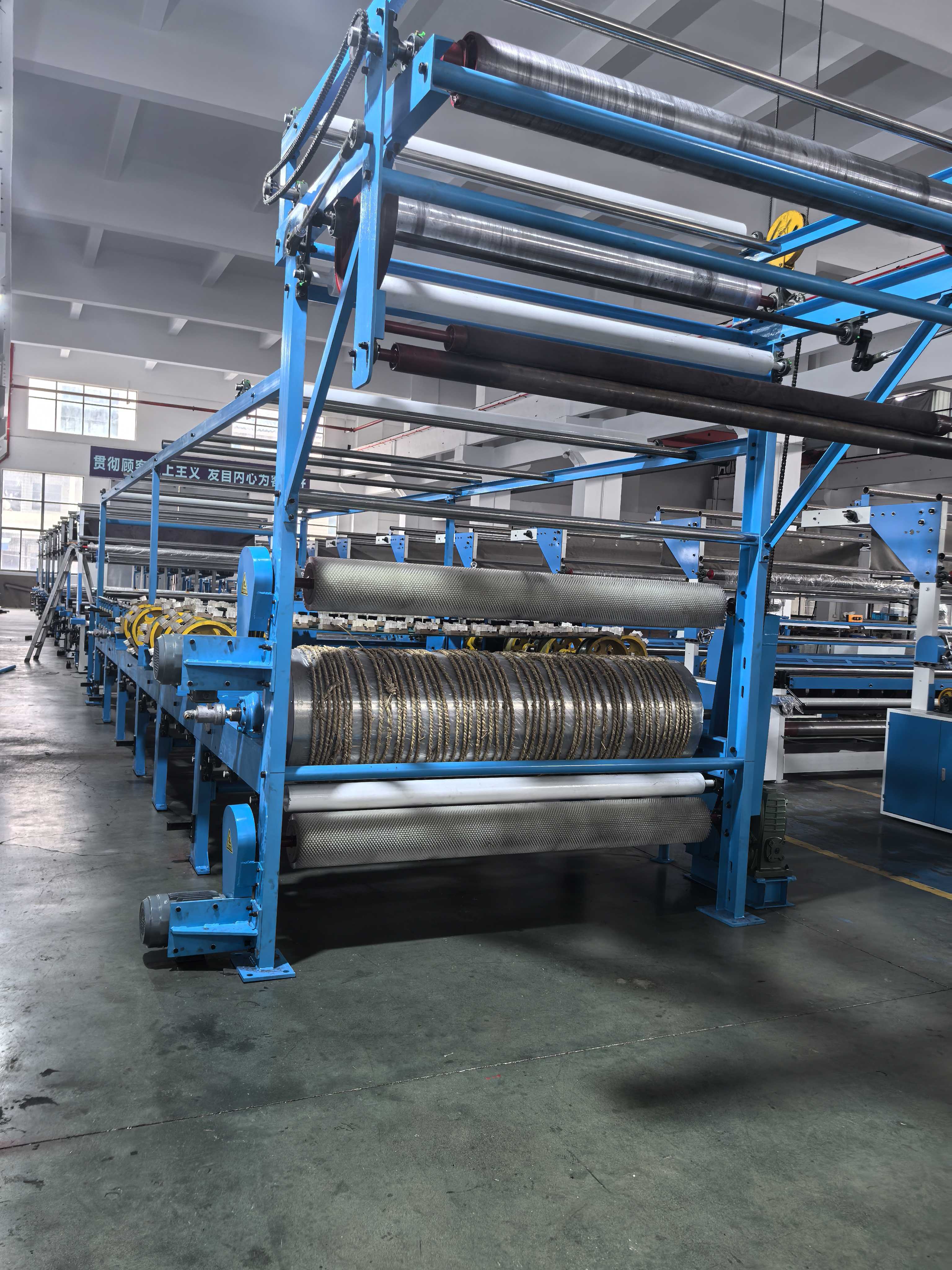
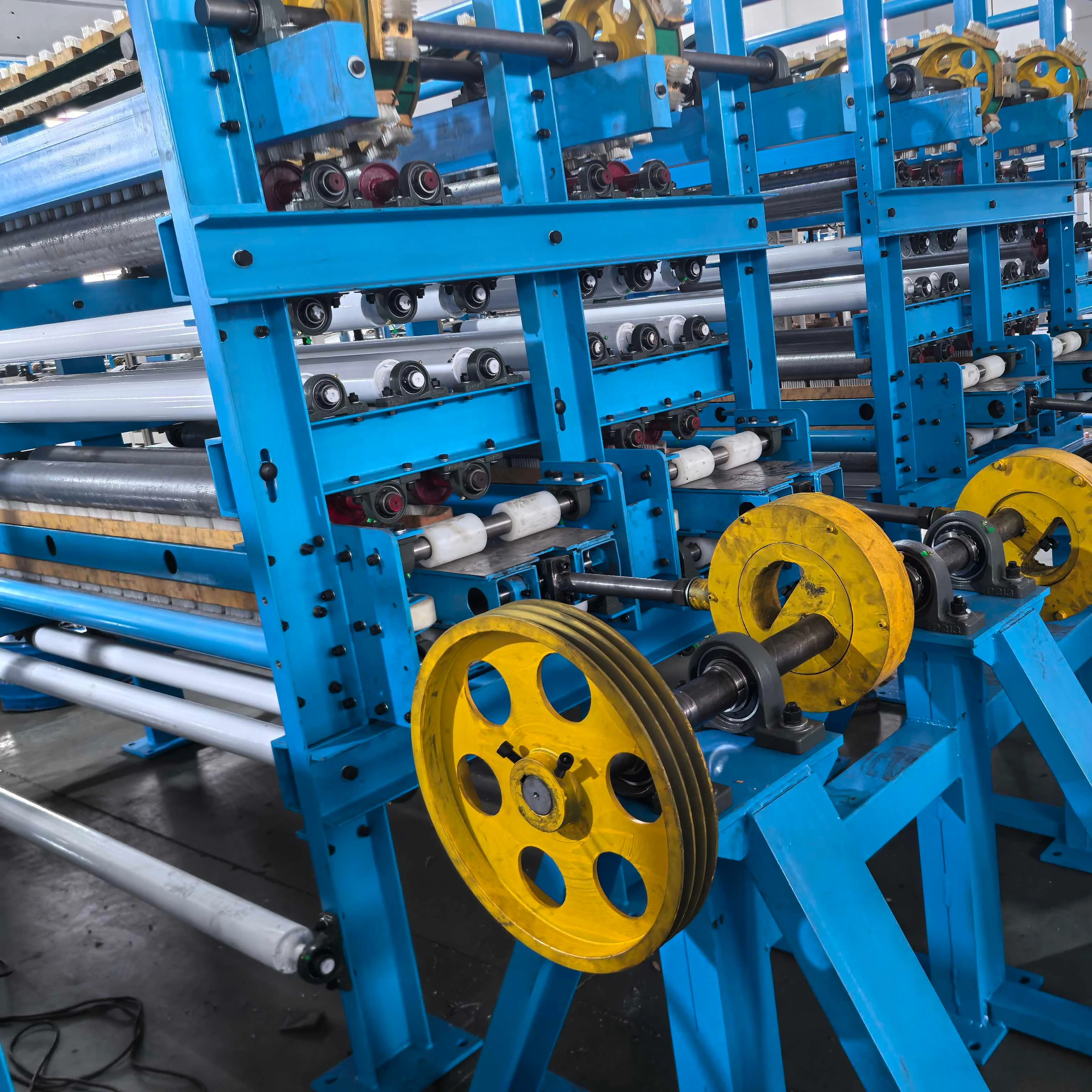
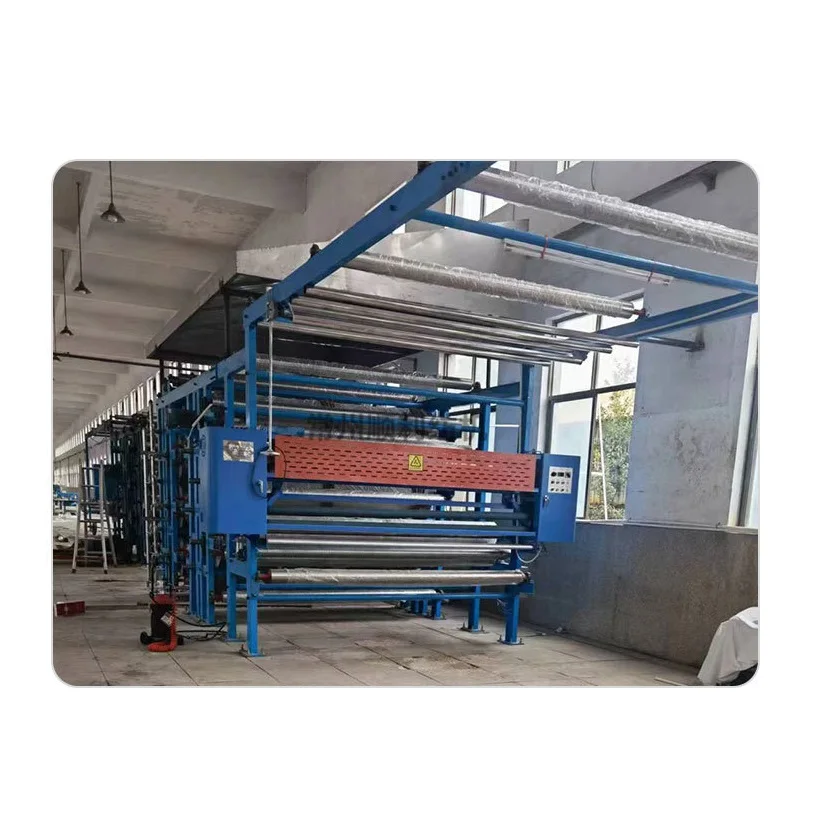
High-precision fabric brushing technology extends far beyond basic processing; it is a key technique capable of fundamentally transforming the feel, appearance, and functionality of textiles. By precisely controlling the uniformity and height of raised pile, this machine unlocks new possibilities across numerous industries.
In apparel and fashion, it is central to creating premium comfort experiences. From the soft linings of high-end fleece hoodies and athletic wear to the coveted “peach skin” texture of luxury loungewear and lingerie, the high-precision brushing machine ensures every square meter of fabric exhibits uniform, delicate, and flawless nap. This directly elevates product comfort and premium pricing potential.
For home textiles and furniture upholstery, this machine elevates both aesthetic appeal and durability. Whether ensuring premium velvet sofas and curtains exhibit consistent, deep color and texture under varying lighting, or creating fluffy, insulating soft surfaces for blankets and throws, high-precision brushing delivers dual upgrades in tactile feel and visual appeal, satisfying consumers' pursuit of high-quality home living.
More significantly, in technical and industrial textiles, high-precision brushing acts as a “performance engineer.” It creates realistic suede-like textures for faux leather and imitation suede, forms uniform fiber layers in filtration materials to boost efficiency, and even pre-treats base fabric surfaces before coating to enhance adhesion. Its precision is critical for meeting stringent performance metrics in these applications.
Furthermore, within the highly demanding automotive interior industry, high-precision brushing machines process seat velour and headliner fabrics to ensure streak-free, color-uniform finishes that perfectly meet the automotive sector's stringent standards for durability and aesthetics. Simultaneously, they play an indispensable role in niche markets such as medical protective gear and specialty fabrics.
In summary, high-precision fabric brushing machines serve as a vital bridge connecting textile manufacturing with end-user consumption upgrades. By performing intricate surface treatments on fabrics, they transform ordinary materials into high-value-added products, empowering manufacturers to gain competitive advantages across dynamic markets including apparel, home textiles, and industrial textiles. Their prospects are exceptionally promising.

03
Sep
02
Nov
02
Nov
02
Nov
“This machine is highly durable and boosts output several times over compared to manual labor”

“The results are very stable and can essentially meet our needs for all types of fabrics.”