EN
EN


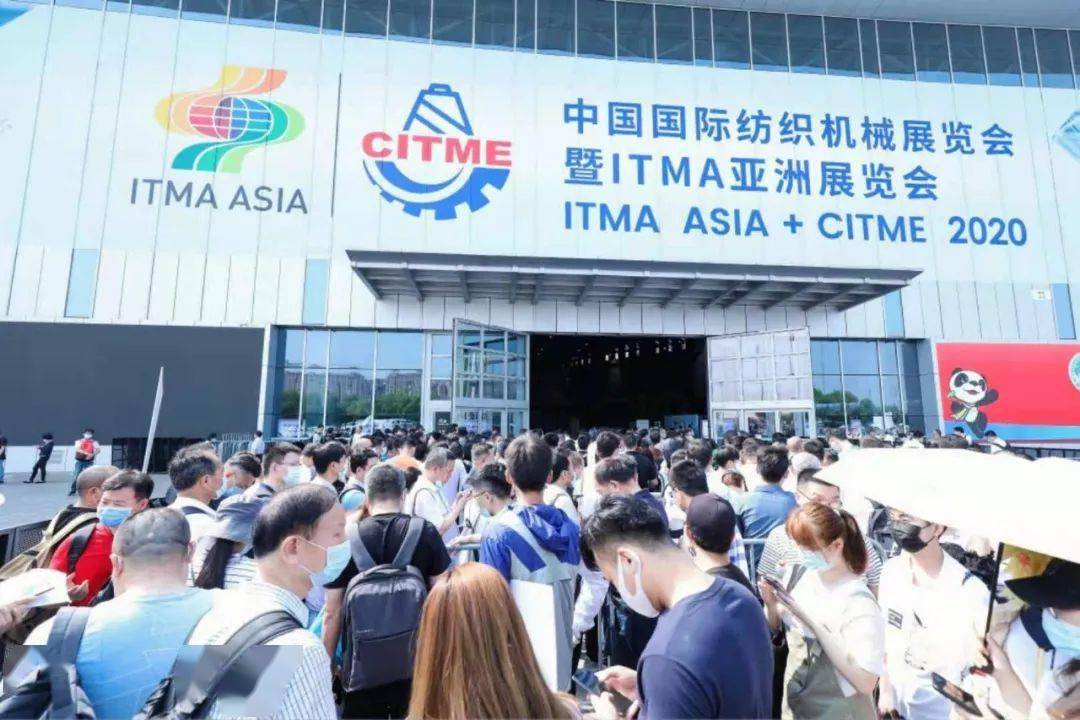
Shanghai Exhibition
Discover key takeaways from Shanghai Exhibition 2024, including emerging B2B trends, innovative technologies, and networking opportunities. Explore industry advancements now.
View More
 ×
×
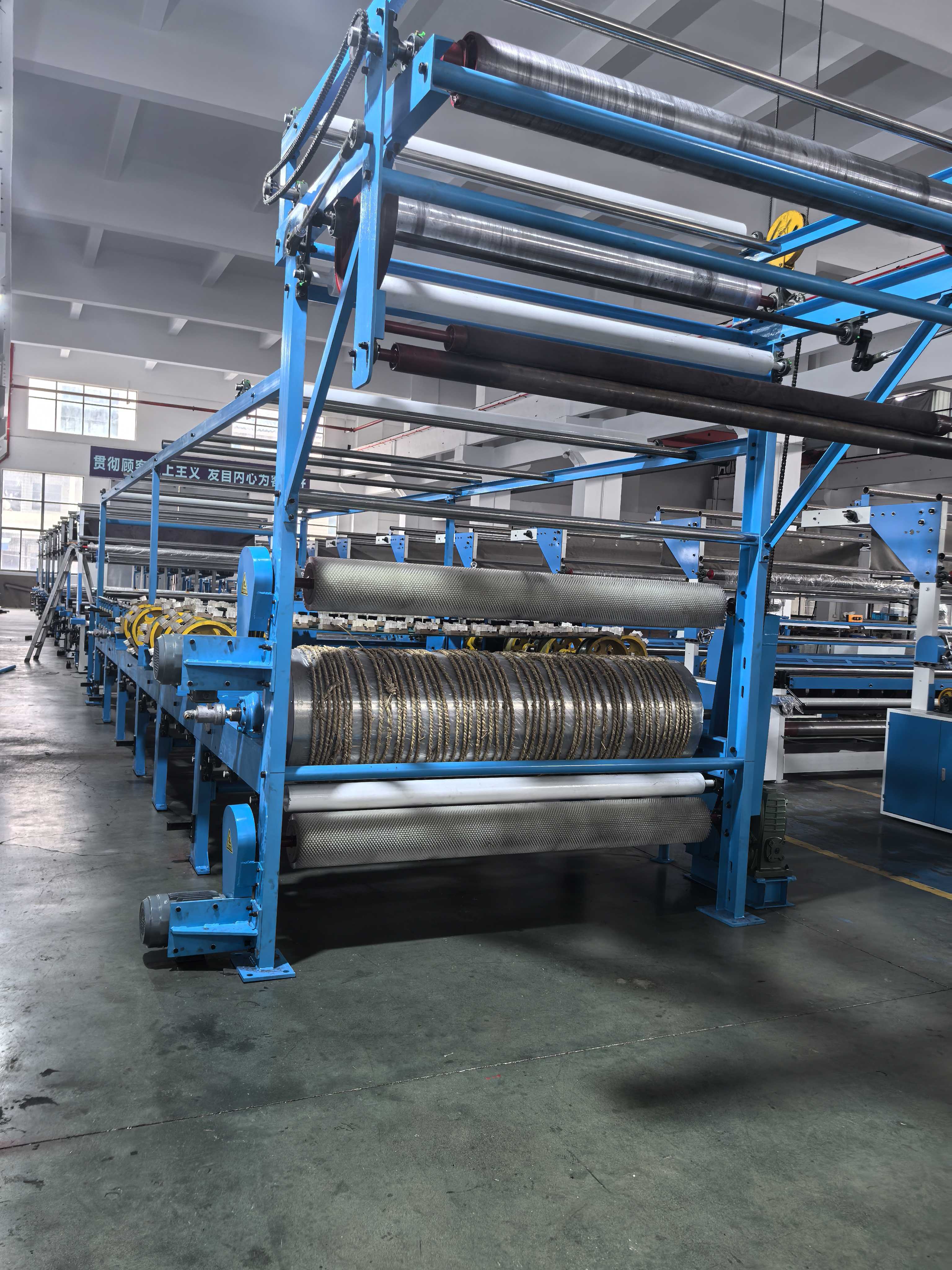
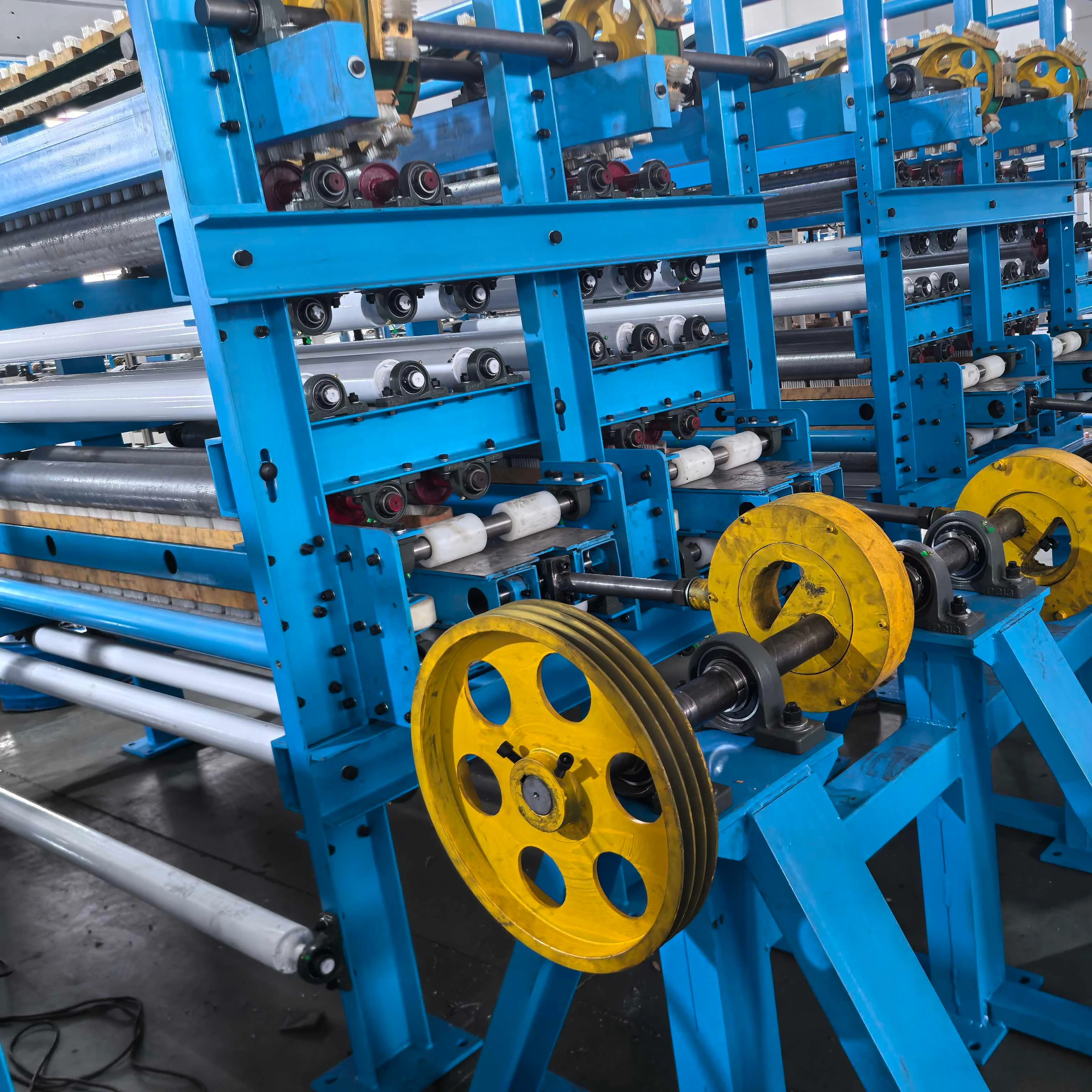
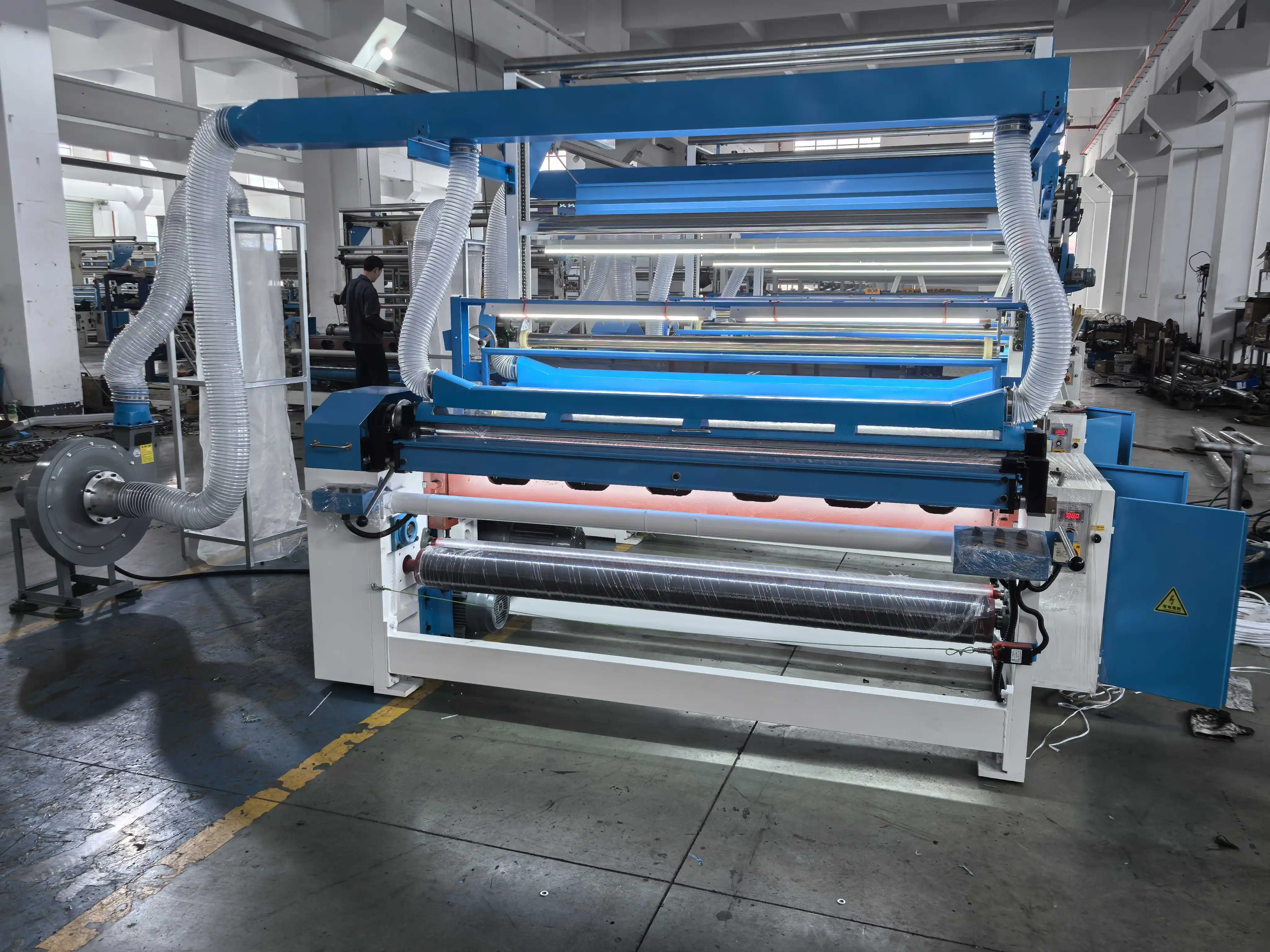
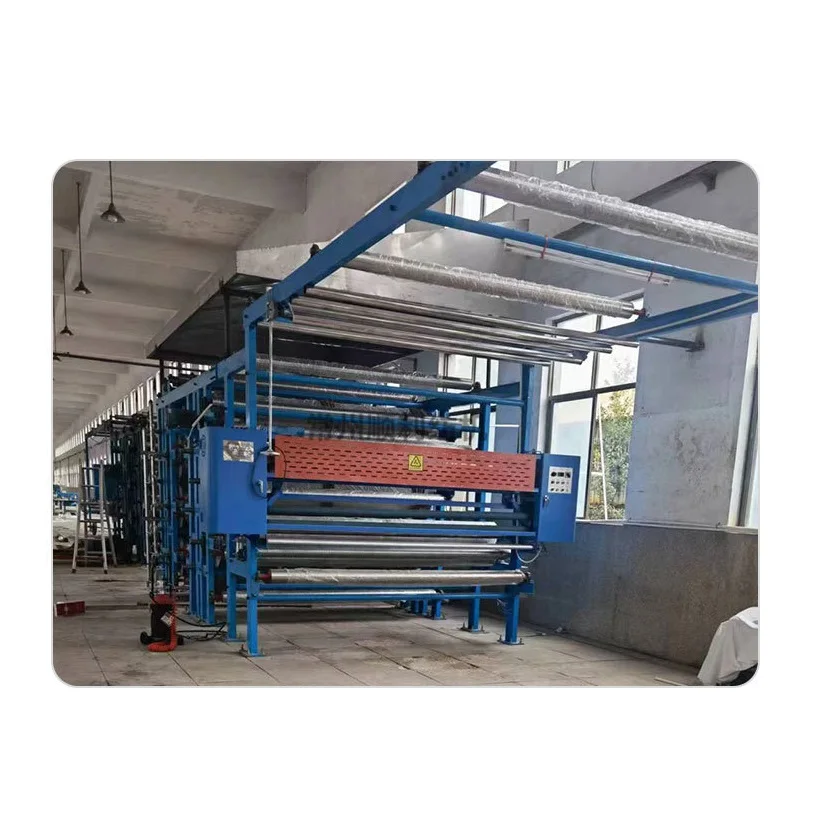
As fashion trends cycle through and consumers pursue high-quality fabrics, corduroy is evolving from a retro element into a key material for modern fashion, home decor, and workwear. This trend presents significant market opportunities for apparel manufacturers. However, traditional general-purpose garment processing equipment often struggles with corduroy's distinctive ribbed texture, frequently causing issues like pile damage, uneven stitching, and low production efficiency. Consequently, investing in specialized corduroy garment processing equipment has become a key strategy for businesses to enhance product quality, expand production scale, and enter high-profit niche markets.
Its broad application prospects are primarily reflected in the following core areas:
In the fashion apparel manufacturing sector, the value of specialized equipment lies in its unparalleled precision. For instance, fully automated cutting systems equipped with vision systems or specialized cutting blades can perfectly follow the fabric's grain direction, avoiding distortion or damage to the corduroy ribs to achieve the precise rib alignment required for high-end fashion. Simultaneously, specialized sewing equipment effectively prevents thread slippage, ensuring durable and aesthetically pleasing seams. This is crucial for crafting high-quality corduroy jackets, trousers, and shirts, meeting the stringent quality demands of mainstream and luxury brands alike.
Beyond fashion, application prospects extend to the home furnishings and upholstery market. The demand for home goods featuring rich textures and comfortable tactility has opened new markets for thick, wide-wale corduroy fabrics. Heavy-duty sewing and quilting equipment specifically engineered for handling such substantial materials efficiently produces durable and decorative sofa covers, cushions, and curtains, enabling manufacturers to tap into the growing soft furnishings market.
Moreover, corduroy's durability makes it an ideal choice for professional workwear and uniforms. Specialized processing equipment effortlessly handles reinforcement techniques like multi-needle stitching and riveting, ensuring durability at critical stress points. This meets B2B clients' stringent requirements for garment longevity and industry standards, expanding opportunities in the workwear market while demonstrating the reliability of dedicated equipment.
For manufacturers targeting accessories and small-batch niche markets, the flexibility of modern specialized equipment is a significant advantage. Compact, multi-functional machines are well-suited for producing corduroy-based footwear, headwear, bags, and other items. This enables small-to-medium brands and artisan workshops to efficiently and cost-effectively launch distinctive small-batch product lines, flexibly responding to market trends.
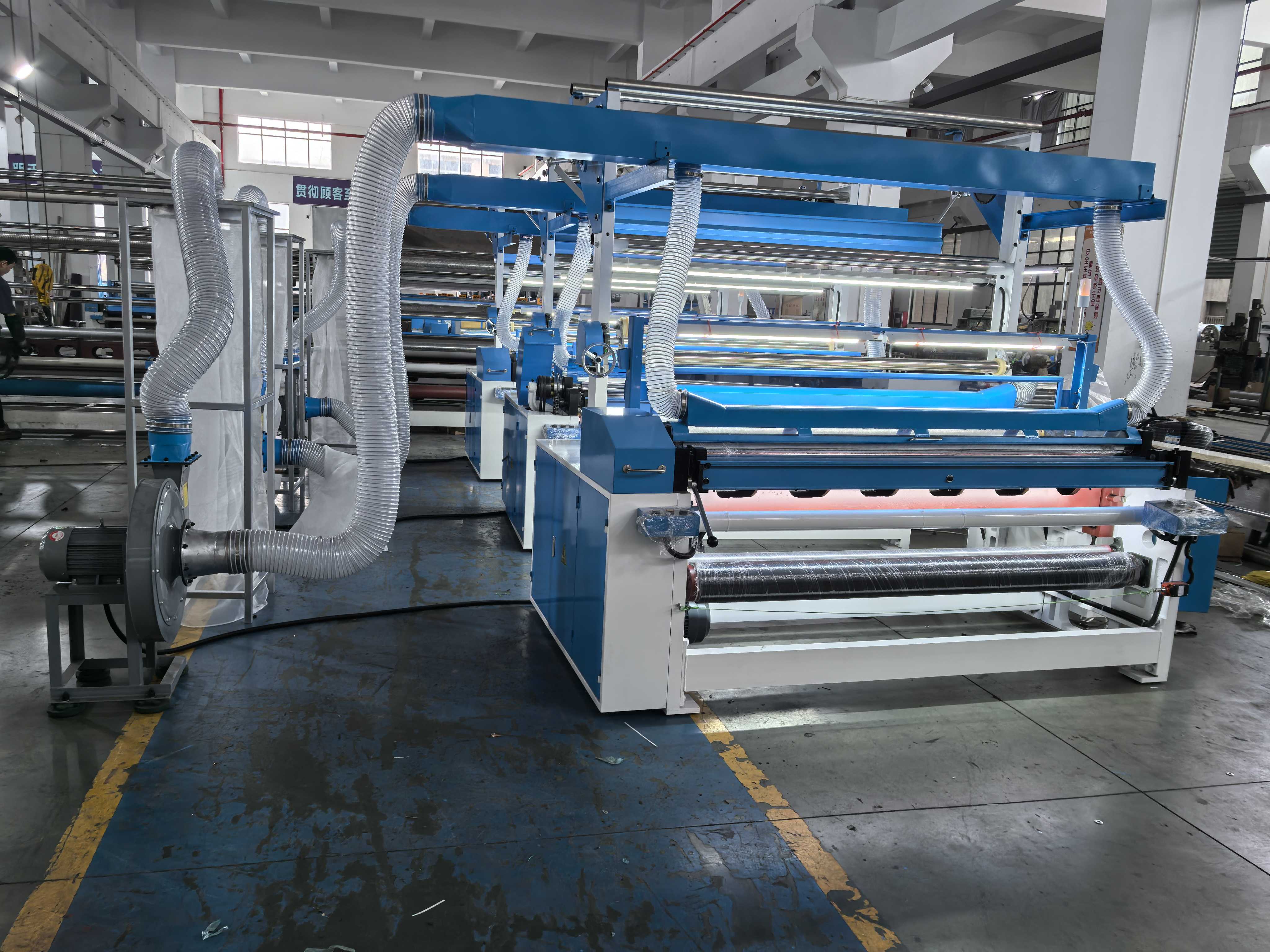
These broad application prospects are underpinned by a series of core technologies. Professional corduroy processing equipment typically features a pile protection system to prevent the unique ribs from being flattened or worn during processing; an automatic feeding mechanism ensures fabric is transported flat, avoiding stretching and deformation; and a digital control unit guarantees precision and repeatability at every processing step. The return on investment for such equipment is clear: it drastically reduces waste of expensive fabrics through ultra-precise cutting, significantly boosts production speed via automation, and lowers return rates through consistent high-quality output. Ultimately, this strengthens brand reputation and positions the enterprise advantageously in the competitive landscape.
03
Sep
03
Sep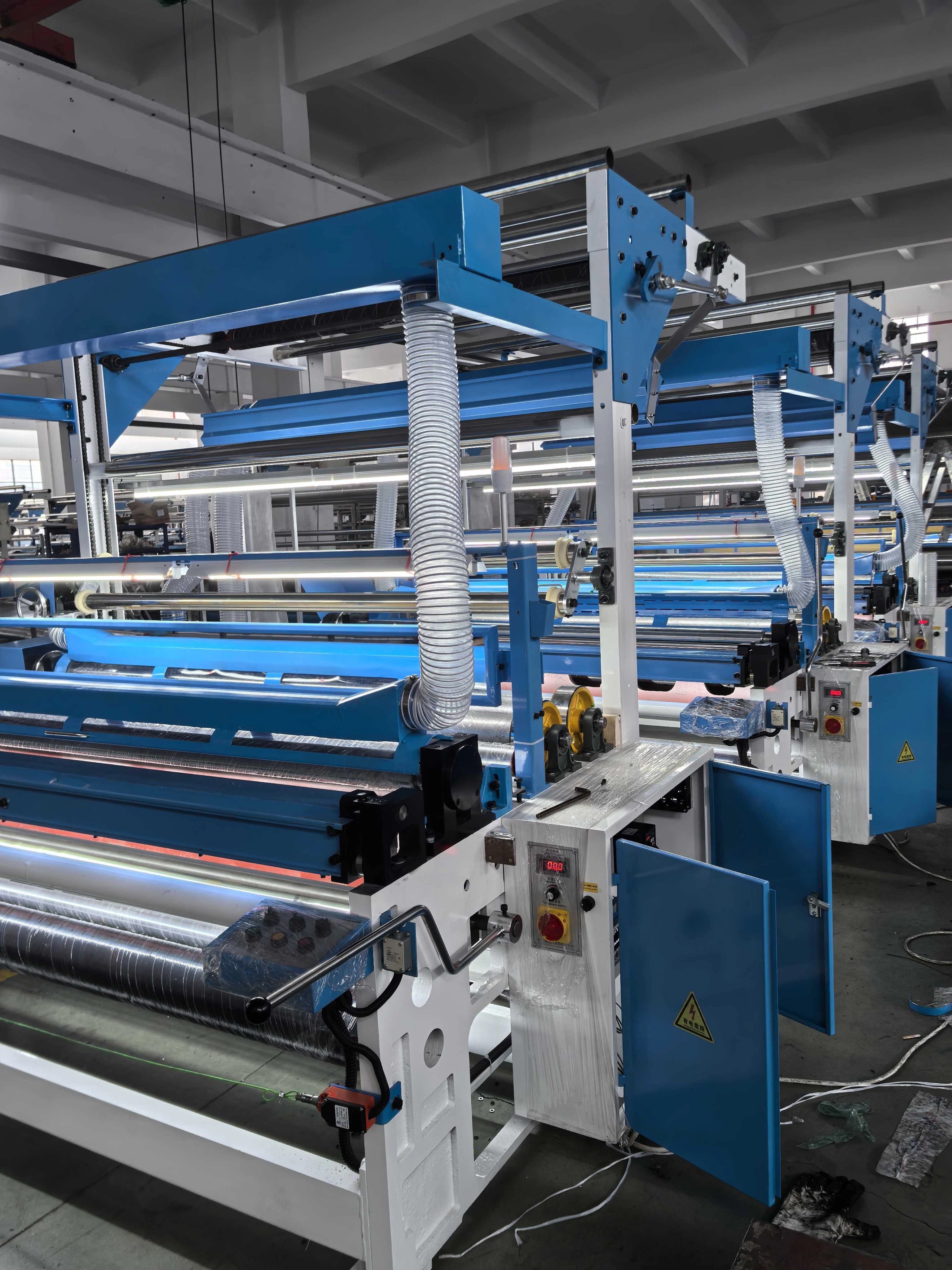
02
Nov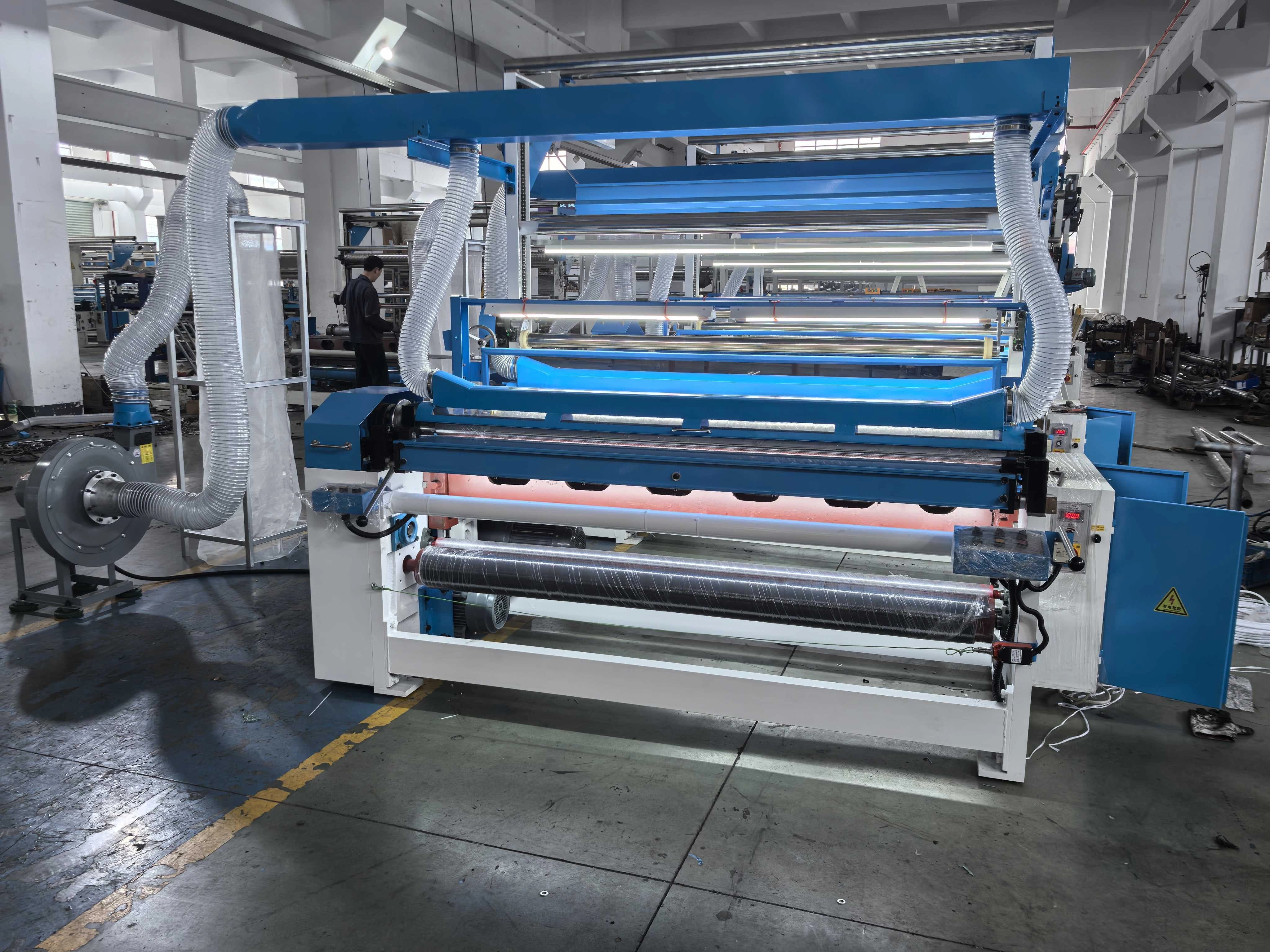
02
Nov
“Simple to operate, even beginners can get started quickly”

“Double your efficiency and handle large orders with ease”