EN
EN


Shanghai Exhibition
Discover key takeaways from Shanghai Exhibition 2024, including emerging B2B trends, innovative technologies, and networking opportunities. Explore industry advancements now.
View More
 ×
×
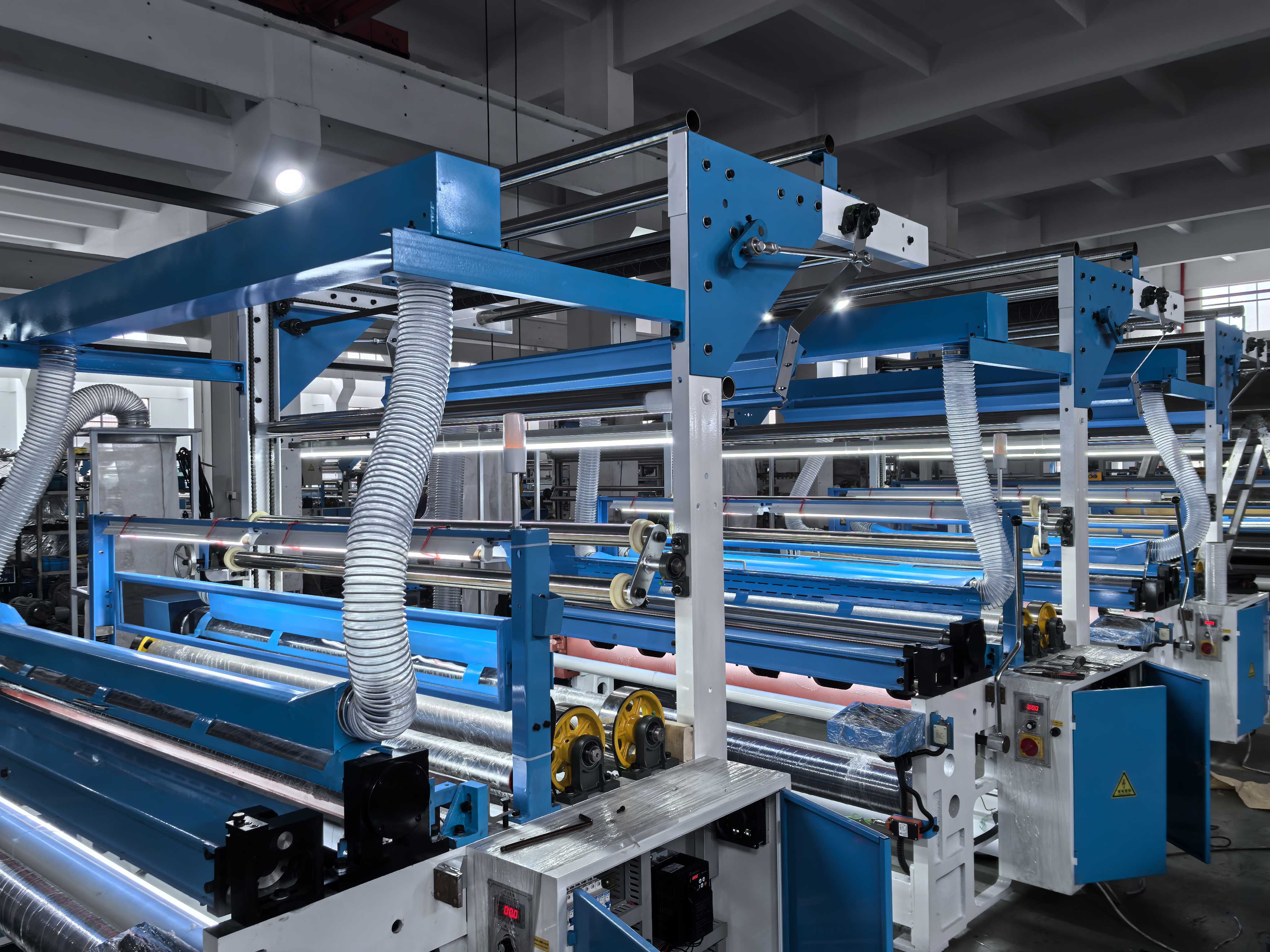
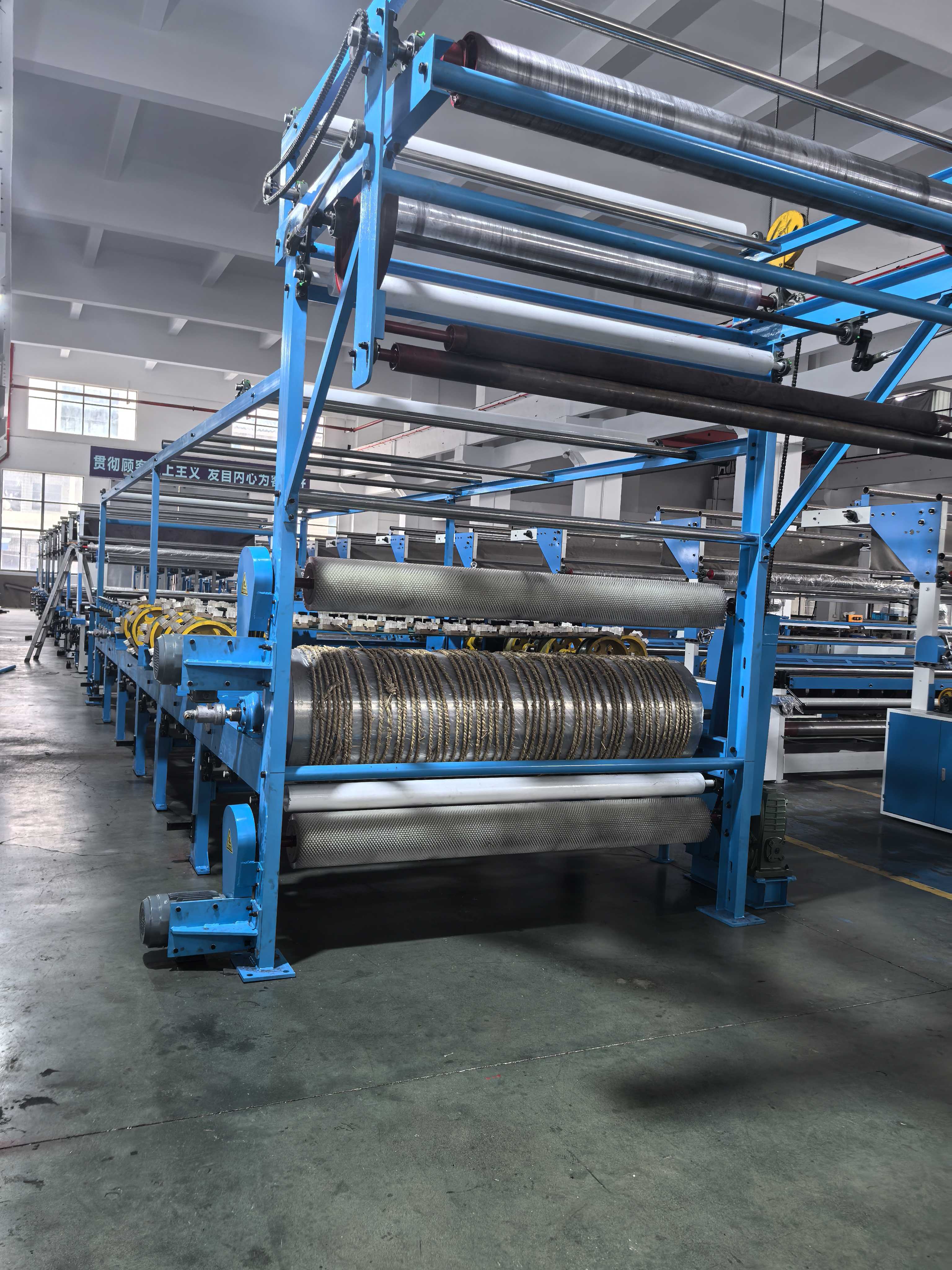
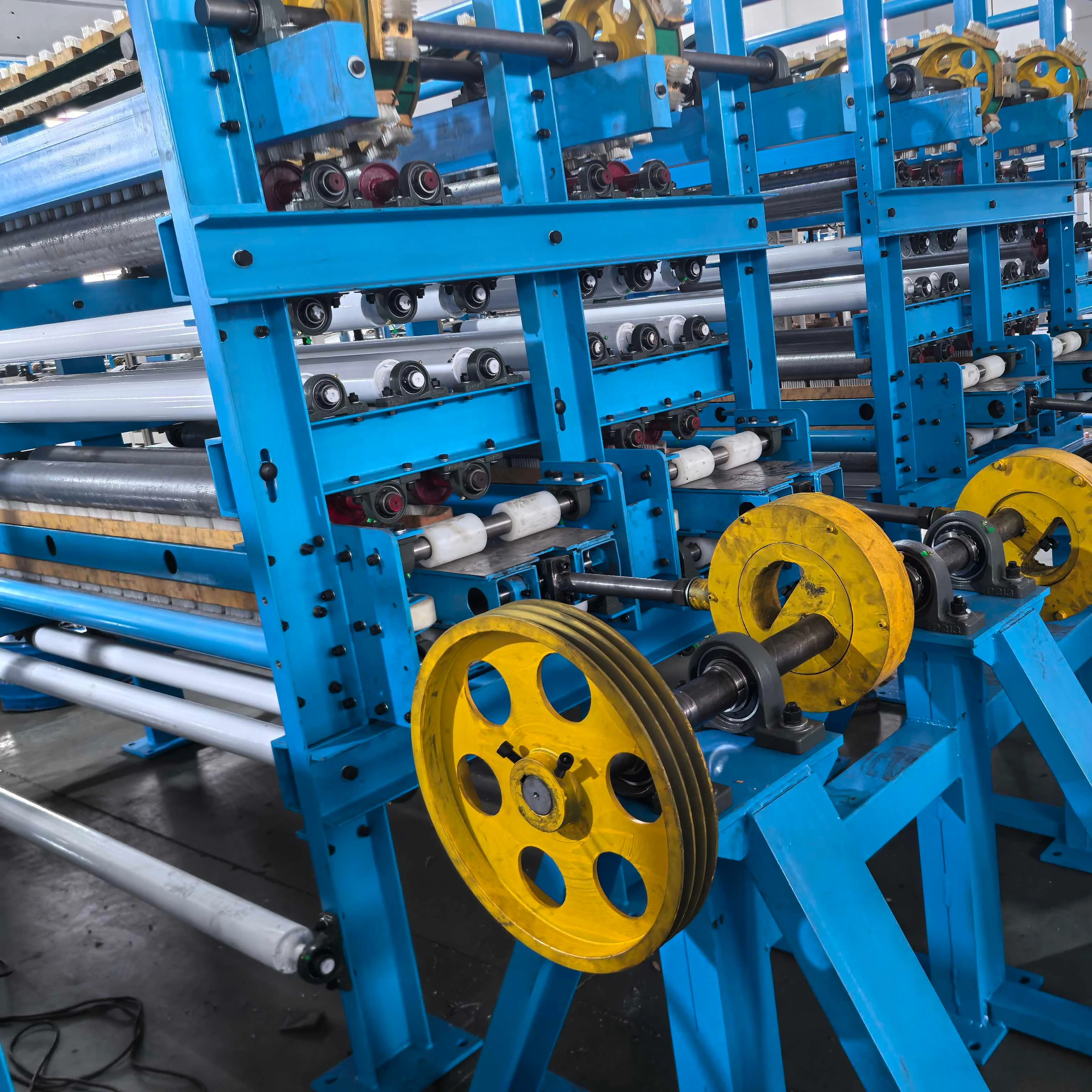
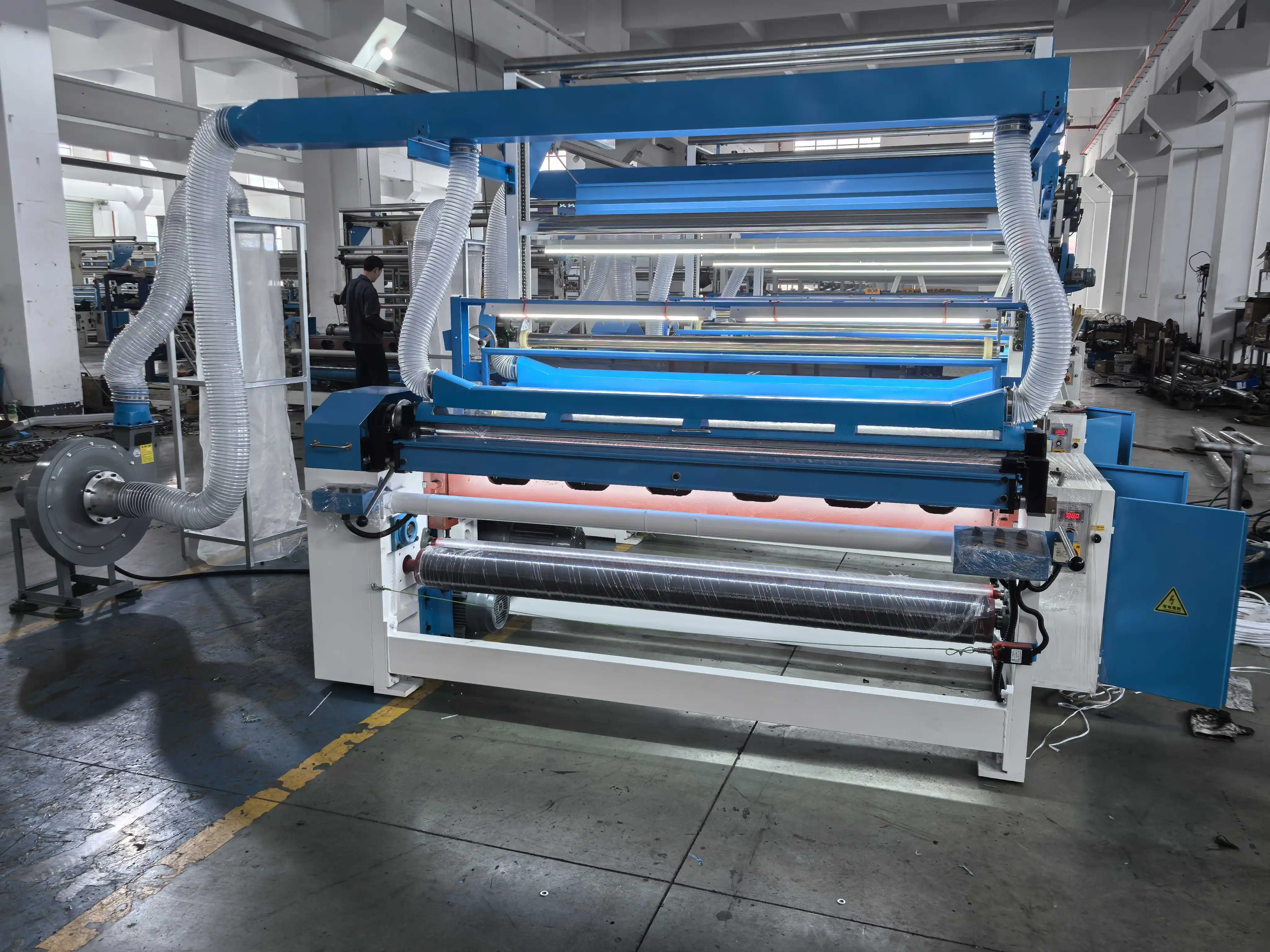
Corduroy fabric is currently experiencing a significant resurgence, appearing across classic vintage styles, modern streetwear trends, and the sustainable luxury sector. This fabric, renowned for its texture, durability, and comfort, is increasingly favored by brands and consumers alike. Within this trend, investing in specialized corduroy garment manufacturing equipment is no longer merely a production upgrade—it represents a strategic move to seize market opportunities and achieve business diversification and growth. Modern specialized machinery unlocks access to multiple high-value markets for manufacturers.
In mainstream fashion, this equipment is central to meeting market demands. It efficiently and precisely produces popular items like corduroy pants, jackets, shirts, and skirts. Advanced machinery perfectly handles corduroy's distinctive “ribbed” structure, enabling intricate stitching and detailing. This ensures high-quality finishes that satisfy fashion brands' dual requirements for impeccable tailoring and exceptional durability.
Beyond mainstream fashion, corduroy manufacturing equipment holds significant promise in the workwear and uniform sector. Garments produced combine professional aesthetics with exceptional durability, making them ideal for hospitality, education, corporate uniforms, and light industrial workwear. Dedicated machinery ensures consistent quality during mass production while reinforcing high-wear areas, meeting B2B and B2G clients' stringent demands for delivery speed, longevity, and uniform standards.
Furthermore, this equipment offers significant flexibility for manufacturers targeting niche or specialized markets. Whether producing functional yet stylish workwear for outdoor lifestyle brands, crafting soft yet sturdy garments for children's wear, or offering small-batch, customized production for clients seeking personalization, modern corduroy apparel manufacturing equipment provides the technical support needed to seamlessly transition from high-volume production to agile, on-demand manufacturing.
More importantly, modern equipment itself drives innovation. It helps brands respond to the call for sustainable fashion by minimizing fabric waste through optimized pattern layout and automated cutting, while also improving processing capabilities for organic or recycled corduroy fabrics. Simultaneously, highly automated equipment significantly enhances supply chain responsiveness, enabling brands to swiftly follow trends, translate designs into products with unprecedented efficiency, and seize market opportunities.
03
Sep
03
Sep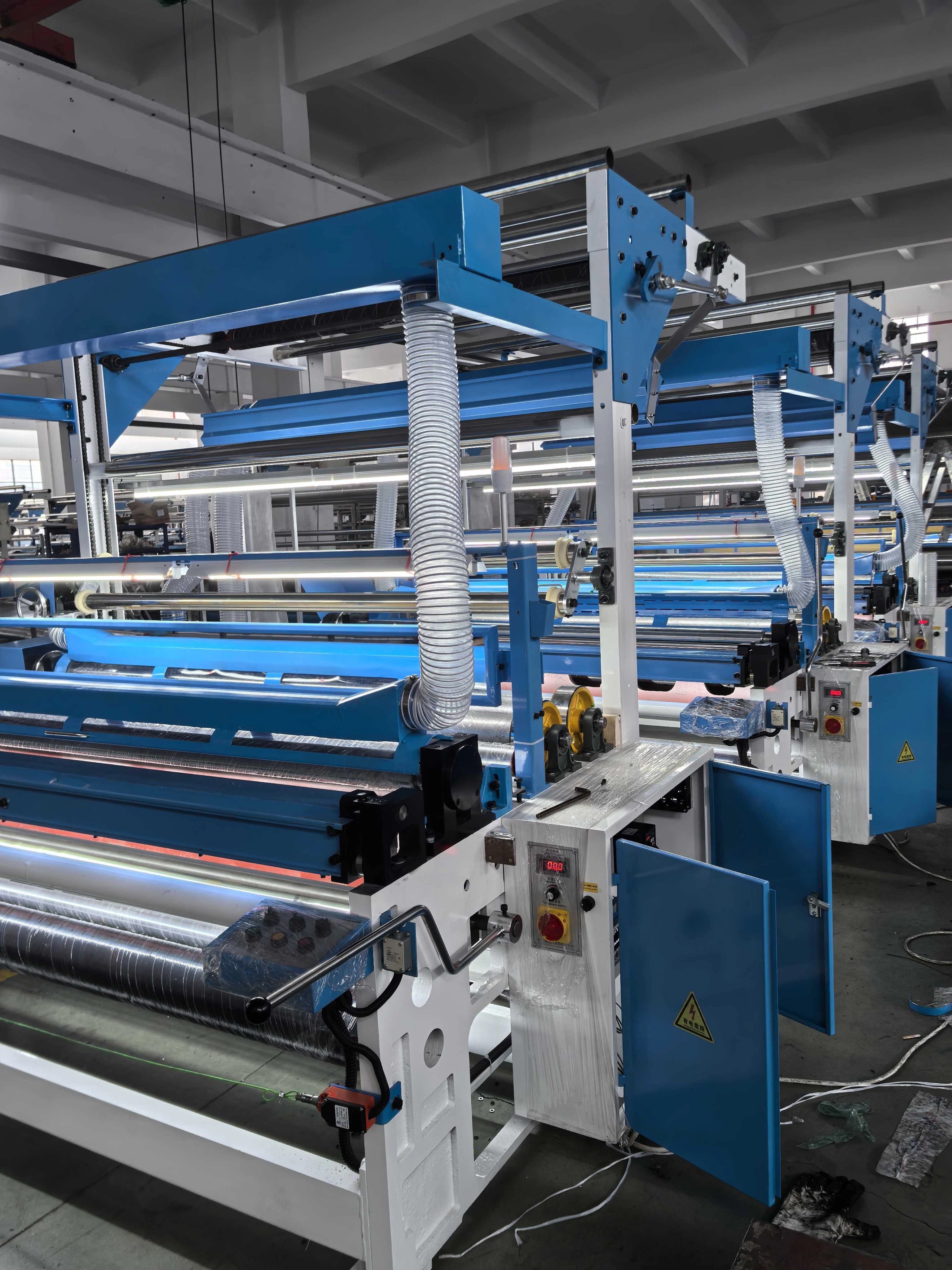
02
Nov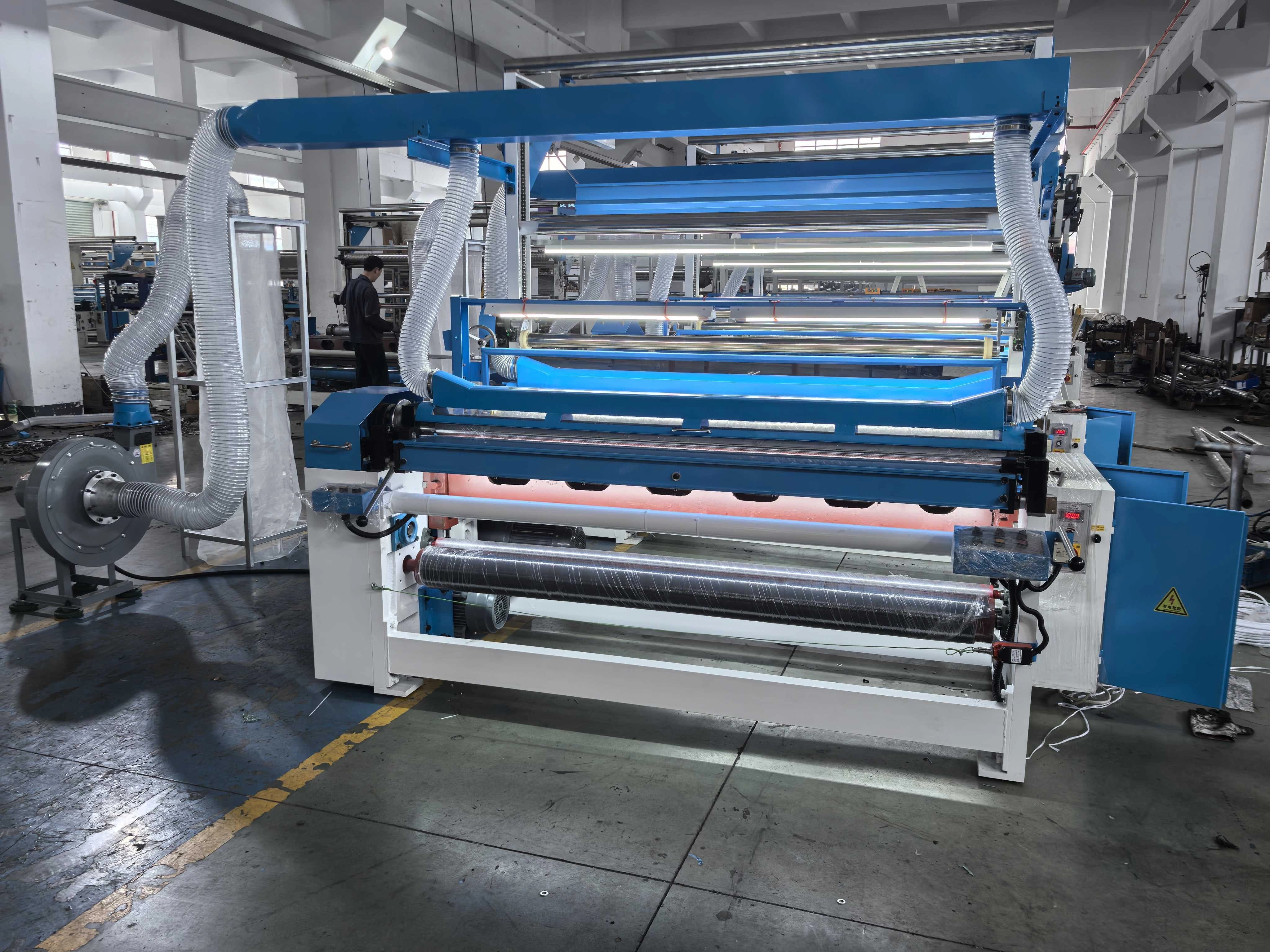
02
Nov
“Simple to operate, even beginners can get started quickly”

“Double your efficiency and handle large orders with ease”